CE Certified
ISO 13485:2016
RFablation Ablation System
RF ablation platform for solid-lesion thermal therapy under image guidance where clinically appropriate.
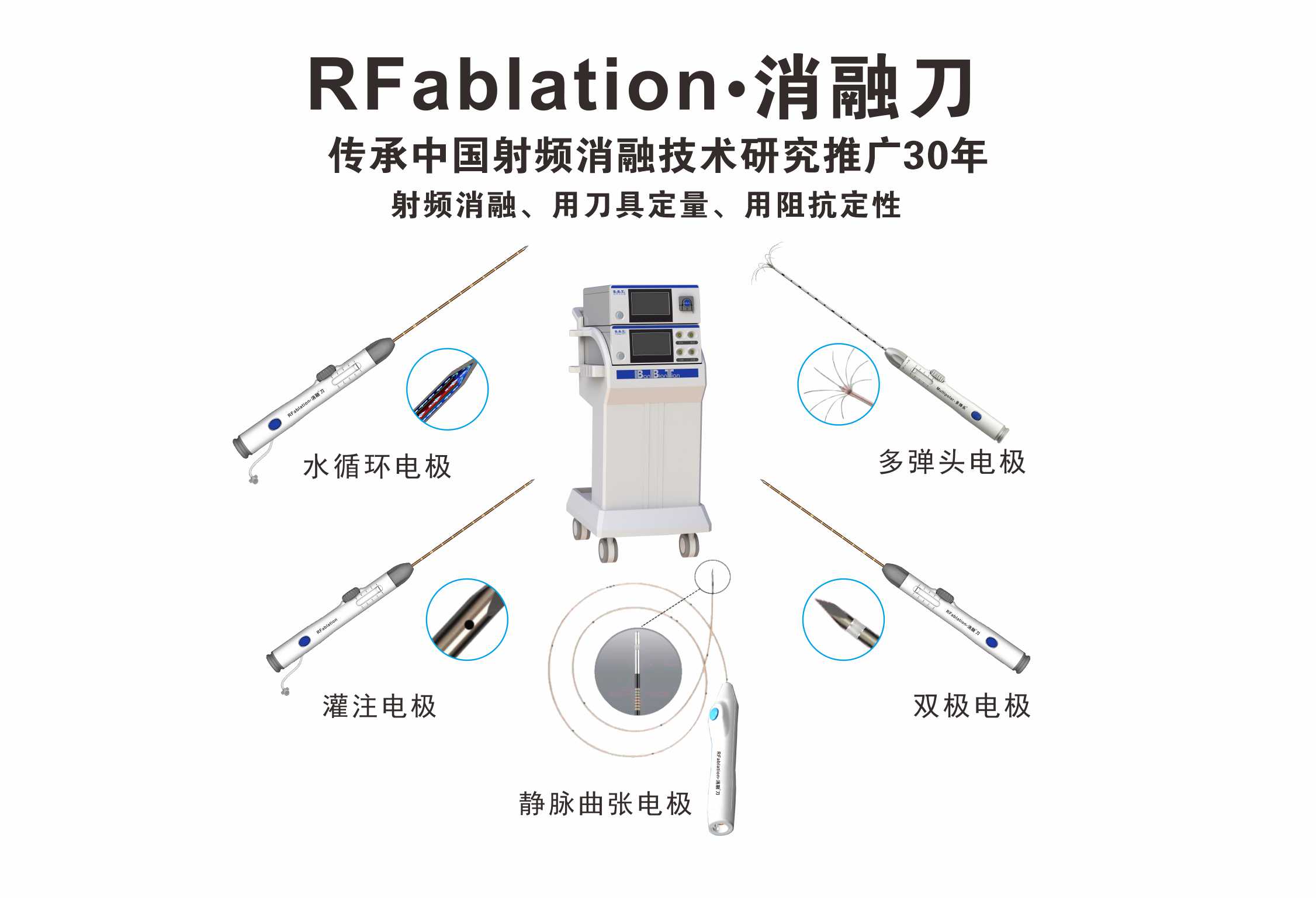
RF ablation platform for solid-lesion thermal therapy under image guidance where clinically appropriate.
The following information is provided for professional evaluation. Availability, registration status, and configuration may vary by country.
RFablation is a radiofrequency ablation platform for percutaneous thermal therapy of solid lesions under imaging guidance where clinically appropriate. The system is positioned for multidisciplinary teams in thyroid, breast, liver, lung, and other interventional programs that follow local oncology and interventional radiology guidelines.


System overview

Console & electrode family
During ablation, delivered power should remain within a therapeutic window: high enough to achieve coagulation of the intended lesion, yet controlled to limit collateral thermal injury. RFablation systems typically target stable output within the operating impedance range so that each activation produces a predictable ablation footprint when protocol and needle selection are followed.
Impedance-based feedback helps the operator judge tissue changes during RF delivery. Products that use temperature or impedance as primary endpoints should be used strictly according to validated parameters for your registration.
Targeting. Superficial lesions in organs such as the breast allow ultrasound visualization of the electrode path for placement confidence.
Access. Percutaneous entry minimizes surgical exposure when the clinical plan supports an interventional route.
Monitoring. System impedance pathways and power caps can reduce the risk of uncontrolled extension beyond the intended volume when limits are respected.
Energy source. RF thermal effects are intended to achieve cell death in the target zone while sparing adjacent structures when anatomy and parameters are appropriate.
Interventional ablation requires qualified specialists, multidisciplinary indications review, and informed consent. Indications, contraindications, and labeling differ by country. This English summary supports marketing; the IFU and regulatory certificate for your territory prevail.
Our international sales team will respond with pricing, shipping options, and certification support tailored to your market.
Request a Quote