Scope: For gynecology outpatient directors, physiotherapy leads, and distributors building pelvic floor service lines. Compares matrix RF energy platforms (e.g. BBT VaginaLove, RuiFuNuo) with traditional neuromuscular electrical stimulation (NMES) and pelvic floor muscle training (PFMT). This is educational positioning — not a head-to-head clinical trial and not a substitute for IFU or local registration labels.

Clinical context: pelvic floor dysfunction (PFD)
Pelvic floor dysfunction spans stress urinary incontinence, prolapse symptoms, sexual dysfunction, and chronic pelvic pain when support structures or neuromuscular coordination fail. Outpatient programs typically combine assessment (questionnaires, pelvic exam, optional urodynamics), conservative therapy, and — where cleared — energy-based modalities. Device selection should match patient mix, staff training, and reimbursement realities in your market.
Three modality families
| Dimension | PFMT / biofeedback | Traditional EMS (NMES) | Matrix RF pelvic platforms |
|---|---|---|---|
| Primary mechanism | Voluntary muscle exercise + coaching | Induced muscle contraction via current | RF electromagnetic + controlled thermal tissue response |
| Patient effort | High — depends on compliance | Low passive sessions possible | Low — provider-delivered sessions |
| Tissue targets | Skeletal pelvic floor muscles | Motor nerves / muscle fibers | Vaginal canal access axis toward broader pelvic support tissues (per IFU) |
| Session model | Weeks to months of home + clinic work | Serial outpatient visits | Structured multi-session RF protocol with temperature monitoring |
| Typical program fit | First-line conservative care | Patients who cannot perform PFMT effectively | Clinics adding non-surgical energy pathway for PFD + selected wellness indications |
How BBT matrix RF systems are positioned
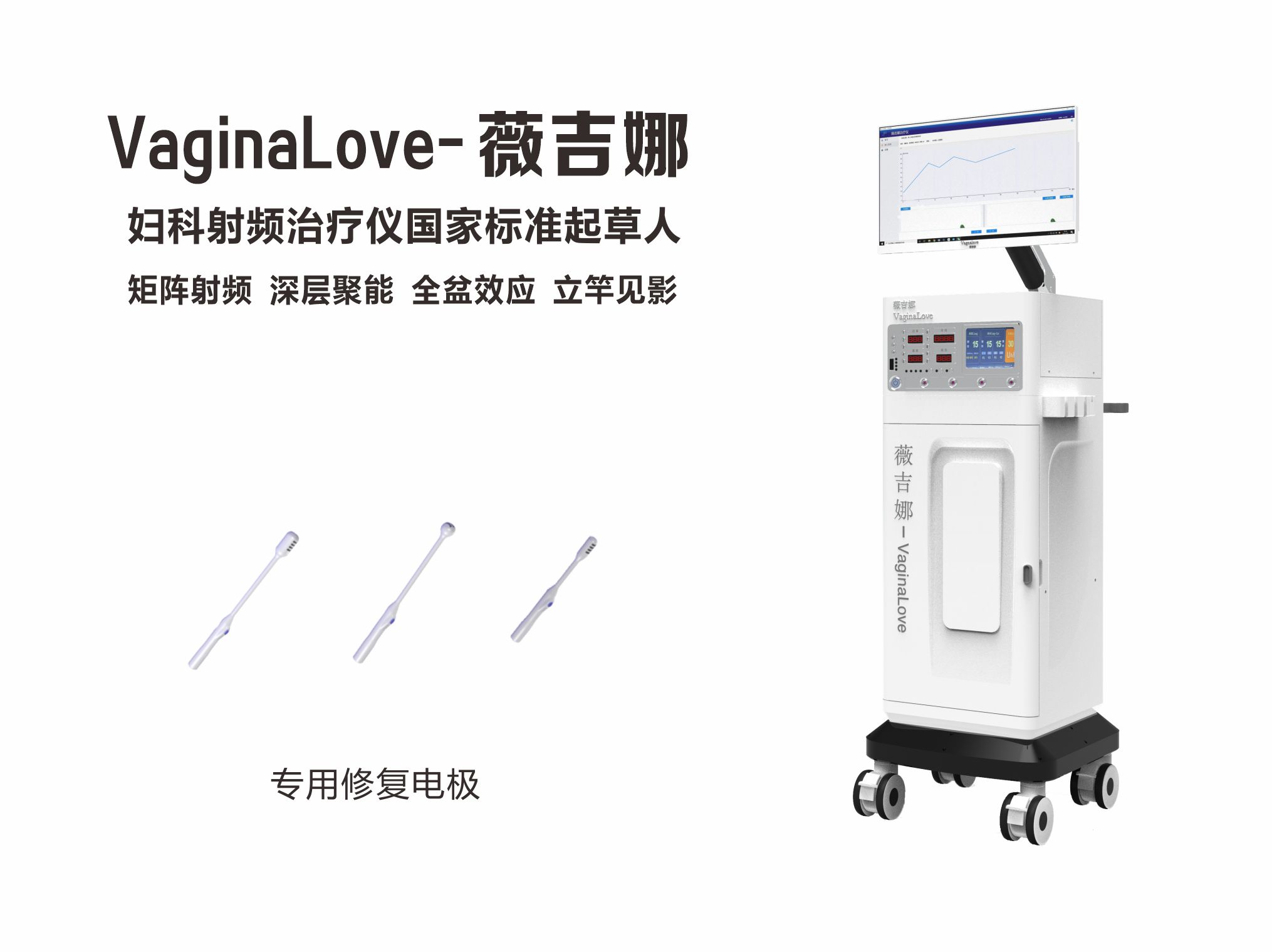
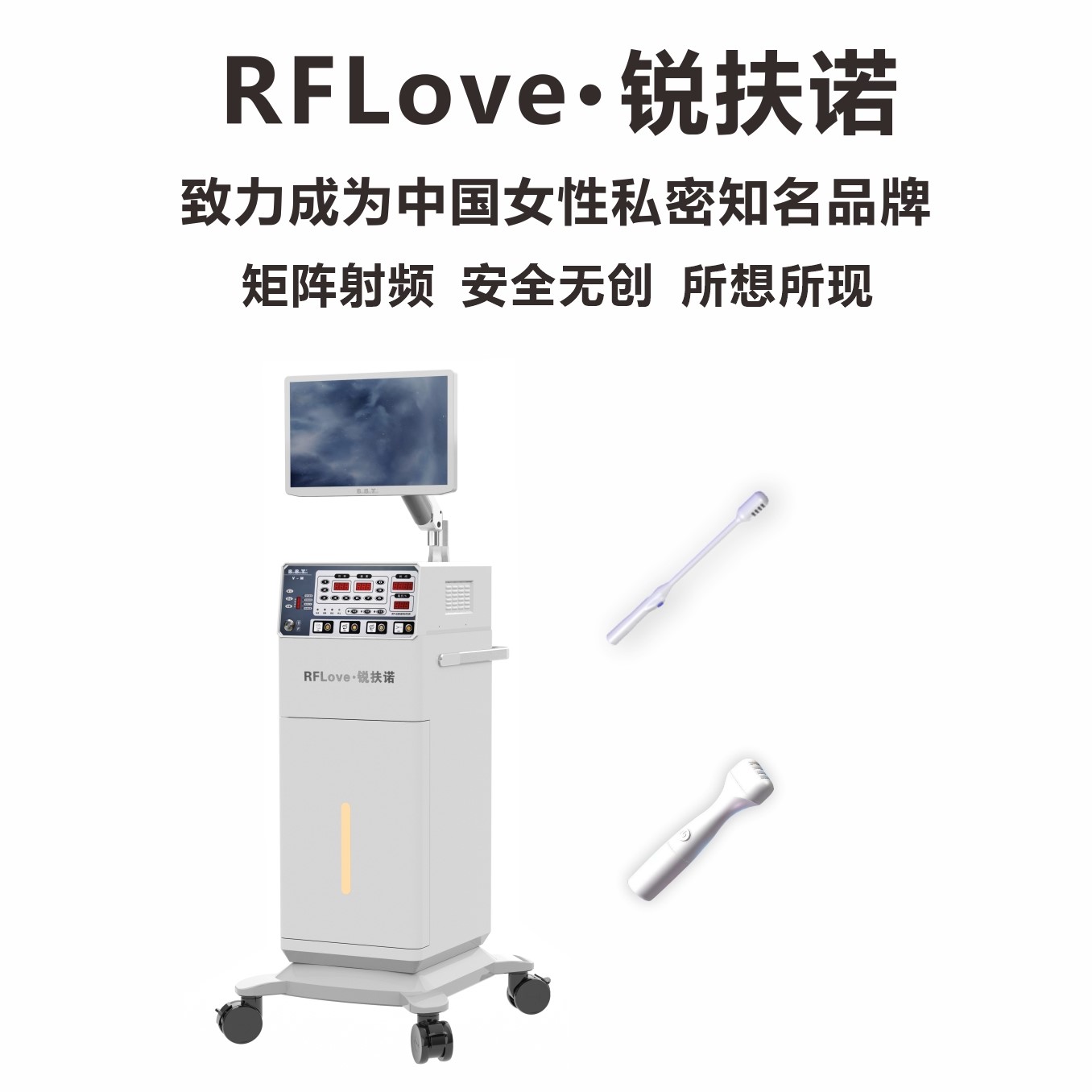
BBT Medical’s pelvic portfolio applies matrix RF principles: treating the pelvis as an integrated functional unit rather than isolating a single muscle group. Marketing materials describe dual biophysical effects — electromagnetic field distribution combined with controlled thermal response — delivered through vaginal-centric applicators with tunable power, time, and temperature targets. VaginaLove emphasizes pelvic floor repair for PFD presentations; RuiFuNuo aligns with the RFLove outpatient wellness line. Exact indications and session parameters must follow your market’s cleared IFU.
Program design questions
- Will you layer modalities (PFMT homework + in-clinic RF) or run RF as a standalone pathway?
- Do you need CE / ISO 13485 documentation for hospital procurement scoring?
- What staff credentialing (gynecologist vs trained nurse) will operate the platform?
- How will you document outcomes (PFDI-20, ICIQ, prolapse staging) for quality review?
Related reading
Compliance reminder
Not all PFD or aesthetic indications are cleared in every jurisdiction. Outcome claims in marketing summaries do not replace clinical evidence required in your country. Request a quote for registration documents applicable to your region.