Clinical Application

Thyroid & Endocrine Surgery

Low-thermal-spread energy platforms for thyroidectomy and parathyroid-preservation workflows — supporting fine-vessel management, recurrent laryngeal nerve adjacency, and calcium stability outcomes when technique and IFU align.

Scope & clinical context

Audience: endocrine surgeons, OR educators, hospital thyroid service-line leads, and distributors supporting neck surgery programs. Aggregates BBT devices marketed for thyroid and specialty neck access — not a substitute for IFU, nerve-monitoring protocols, or institutional quality metrics.

Thyroid surgery quality is increasingly measured by functional outcomes — especially parathyroid in situ preservation and postoperative calcium stability. Energy-device selection intersects with capsular dissection technique, thermal injury control near parathyroid tissue, and branch vessel management along the superior and inferior thyroid pedicles.
Typical endocrine scenarios

  • Total & hemithyroidectomy — capsular dissection with attention to parathyroid blood supply and RLN adjacency.
  • Central & lateral neck dissection — lymph-node fields where smoke, char, and spread control matter for visualization.
  • Parathyroid-focused work — heat-sensitive glands and fine feeding vessels; technique documentation for quality review.
  • Breast-thyroid shared specialty ORs — programs that already deploy Twocan-class platforms across multiple service lines.

BBT product roles in thyroid energy

Product line Thyroid positioning Program fit
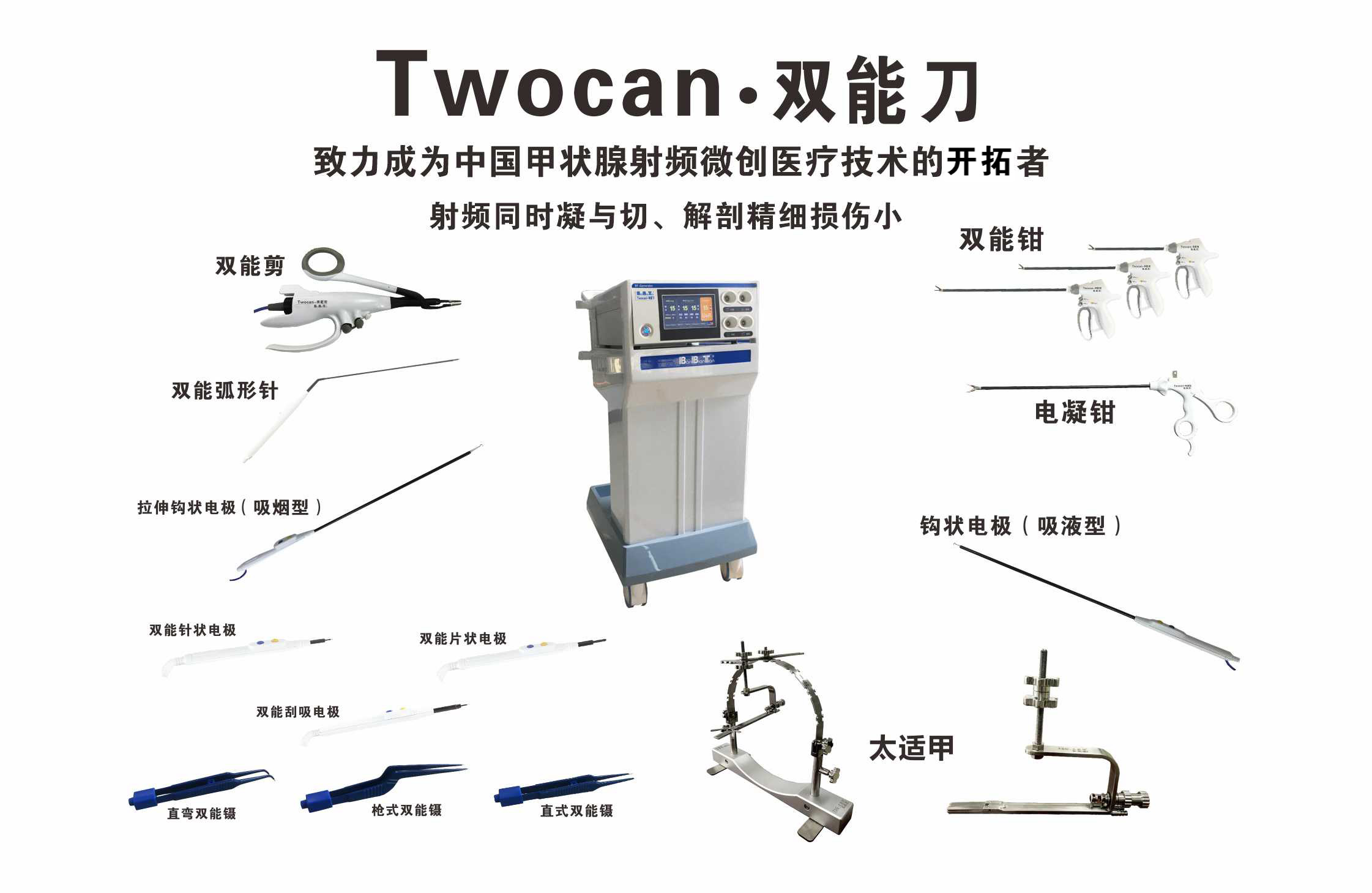
TwocanDual-energy RF platform marketed for thyroid, breast, and specialty neck access with low-temperature narrativeDedicated endocrine service-line investment
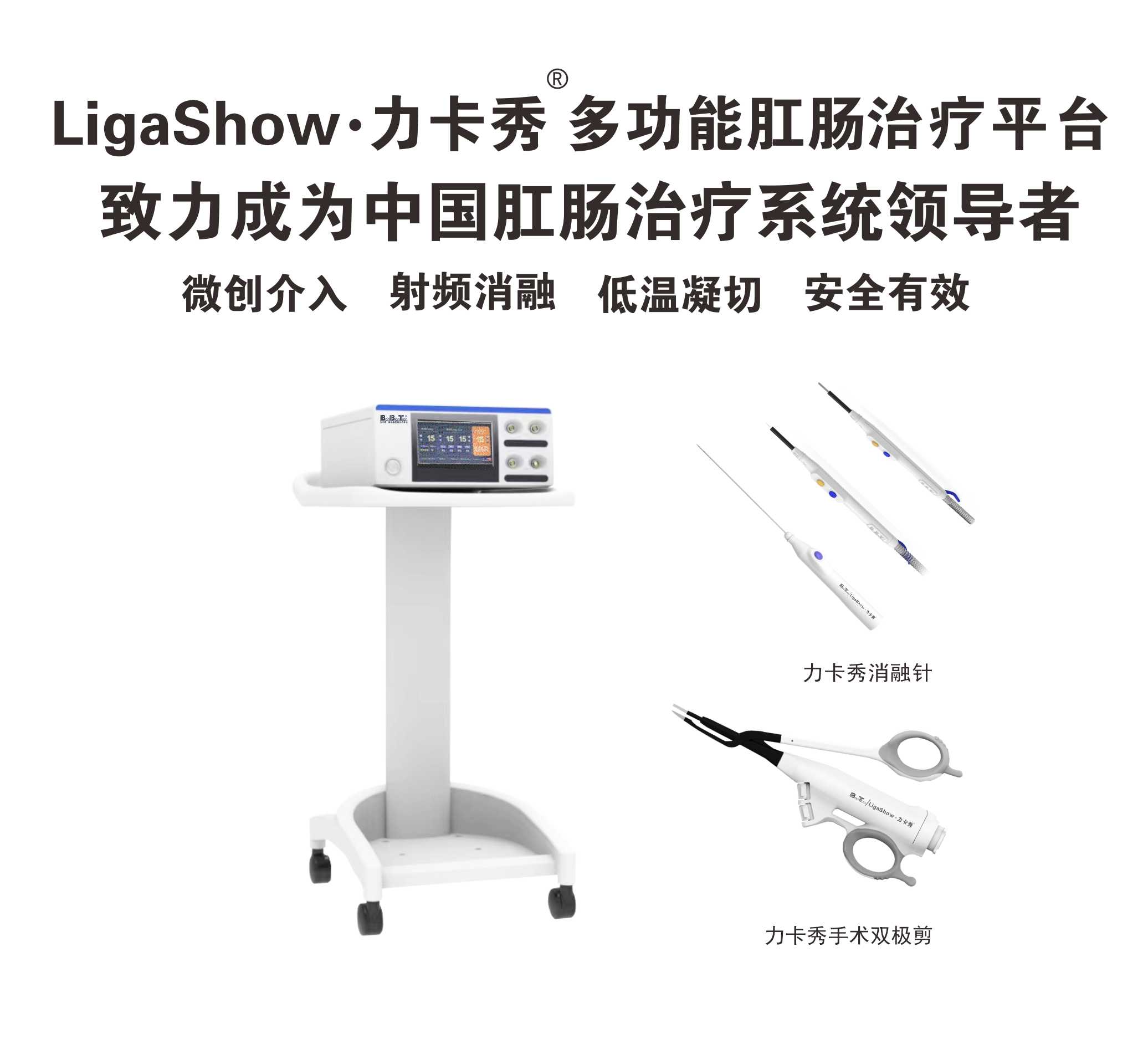
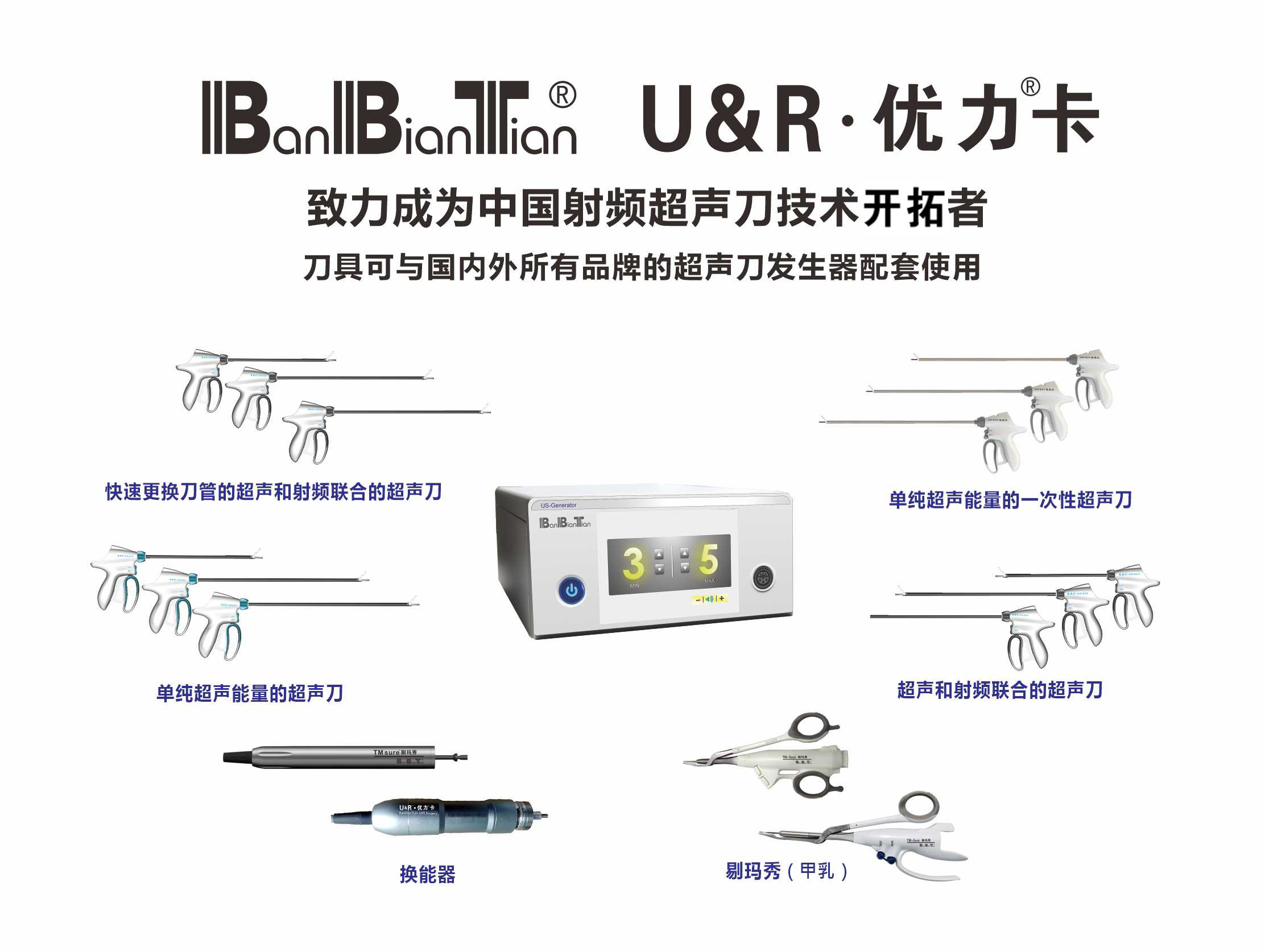
UnicareRF-ultrasonic dual-energy with vessel sealing claims; portfolio complement for mixed MIS programsHospitals standardizing one dual-energy line across specialties
LiKaShowElectrosurgical consumables with low-temperature cutting narrative for adjunct tasksSites maintaining electrocautery alongside ultrasonic platforms

Deep dive: Twocan Thyroid & Parathyroid Guide · RF Ultrasonic vs Electrosurgery

Service-line implementation checklist

  • Document annual thyroid volume and parathyroid outcome tracking (PTH, calcium) before platform change.
  • Align energy rollout with nerve monitoring and anesthesia calcium protocols.
  • Plan surgeon proctoring for first cases when switching from electrocautery-dominant technique.
  • Verify registration & labeling for thyroid indications in your export market.
  • Model consumable SKUs against case volume — specialty neck trays differ from general laparoscopic stock.

BBT Solutions for This Application

Curated devices for professional evaluation — registration and configuration vary by market.

Twocan Dual-Energy Scalpel — BBT Medical

Twocan Dual-Energy Scalpel

Dual-energy thyroid-focused platform with impedance-oriented monitoring and multiple electrode options.

View Details & Specs
Unicare RF-Ultrasonic Scalpel — BBT Medical

Unicare RF-Ultrasonic Scalpel

CE-oriented RF-ultrasonic platform for simultaneous cutting and coagulation in minimally invasive surgery.

View Details & Specs
LiKaShow Electrosurgical System — BBT Medical

LiKaShow Electrosurgical System

LigaShow multi-function laparoscopic electrosurgical platform with low-temperature cutting emphasis in marketing materials.

View Details & Specs

Comparisons & Buyer's Guides

Technology & Company Updates

Common Questions

Why do thyroid programs evaluate dual-energy RF platforms?

Educational materials cite lower peak temperatures and integrated cut/coagulate workflows versus conventional electrocautery — relevant when working near parathyroid tissue and fine vessels. Confirm claims against IFU and local registration; outcome improvement requires technique and patient selection, not device alone.

Twocan vs Unicare for thyroid service lines?

Twocan is positioned specifically for thyroid, breast, and specialty neck access. Unicare targets broader laparoscopic dual-energy programs. Many hospitals choose one primary dual-energy line portfolio-wide — your distributor can map SKUs to case mix.

What quality metrics should endocrine departments track after rollout?

Common internal metrics include transient vs permanent hypocalcemia rates, parathyroid autotransplant frequency, operative time, and RLN injury documentation — aligned with your hospital's endocrine quality committee, not marketing summaries.

What tender documentation applies to thyroid energy devices?

Expect registration certificates, ISO 13485 evidence, IFU samples, training plans, and spare-part availability letters. Request a quote for market-specific dossiers.

Request a Quote for Thyroid & Endocrine Surgery

Our international sales team will respond with configuration options, indicative pricing, and documentation support for your market.

Get a Free Quote

Browse all applications →