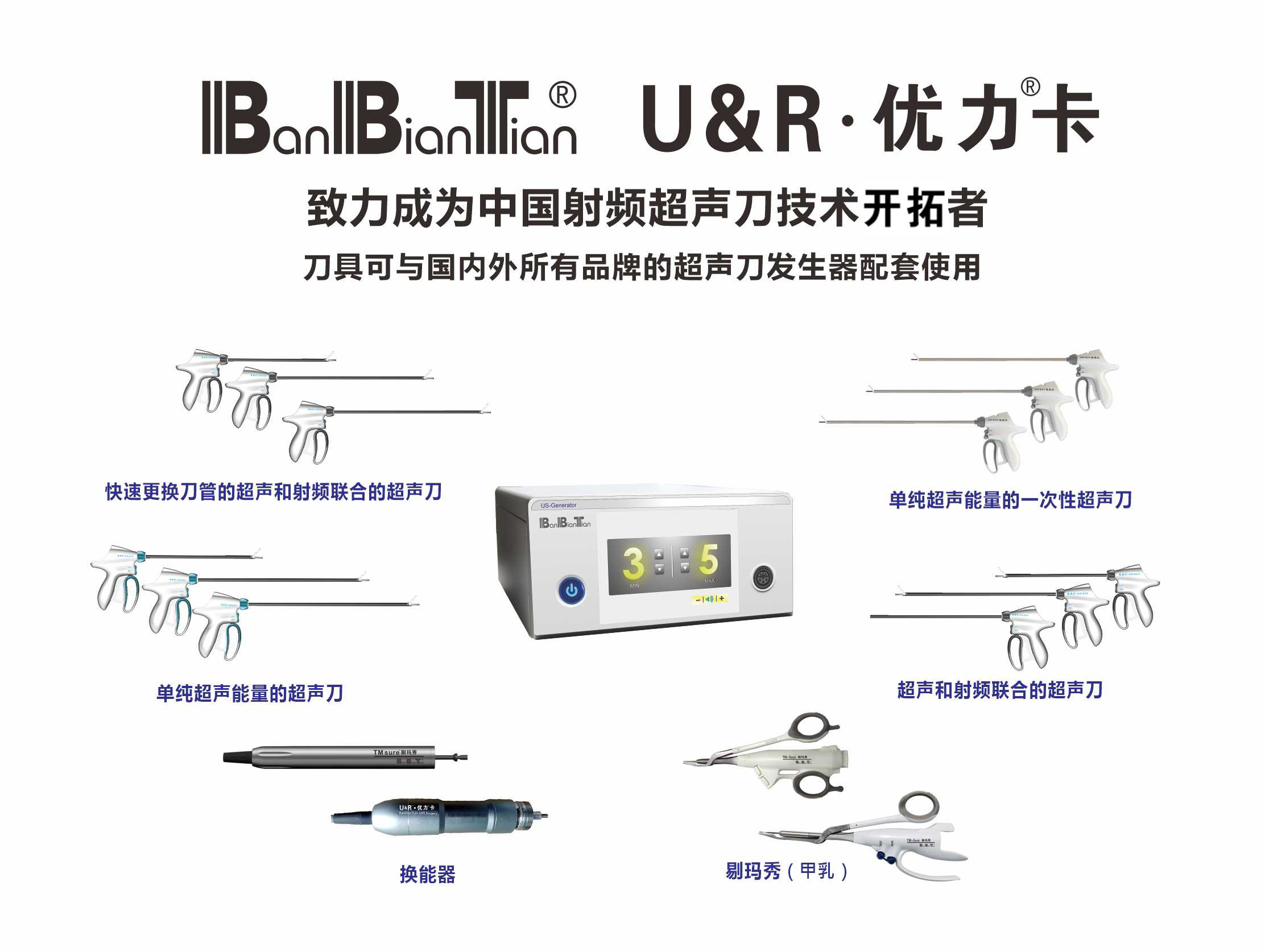
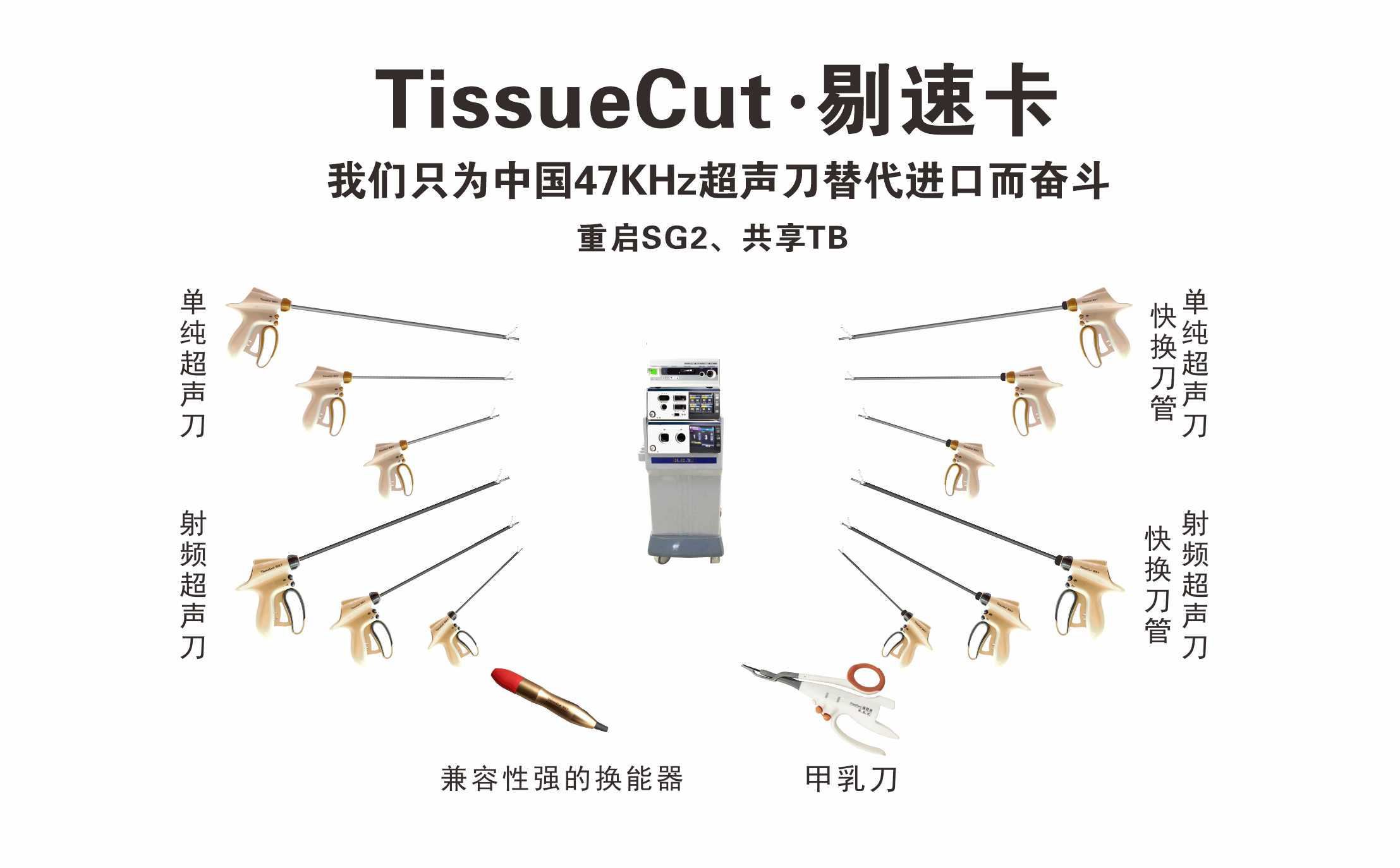
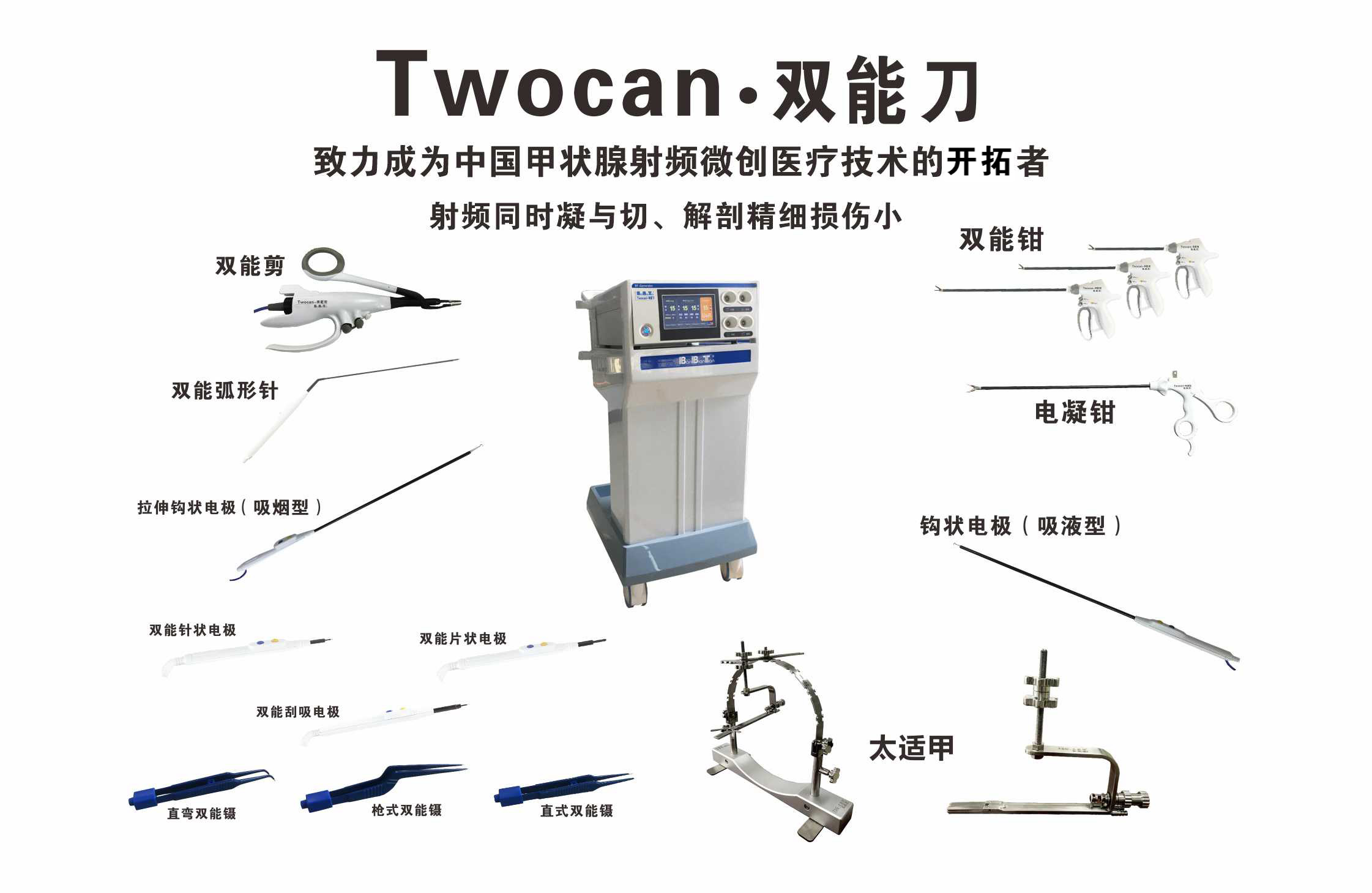
Scope: This guide is for clinicians, biomedical engineers, and procurement teams evaluating surgical energy devices. It summarizes commonly cited differences among electrocautery, vessel-sealing RF platforms (LigaSure-class systems), conventional ultrasonic scalpels, and RF-ultrasonic dual-energy instruments. It is adapted from BBT Medical’s public technical materials and does not replace instructions for use (IFU), local registration labels, or peer-reviewed clinical evidence.
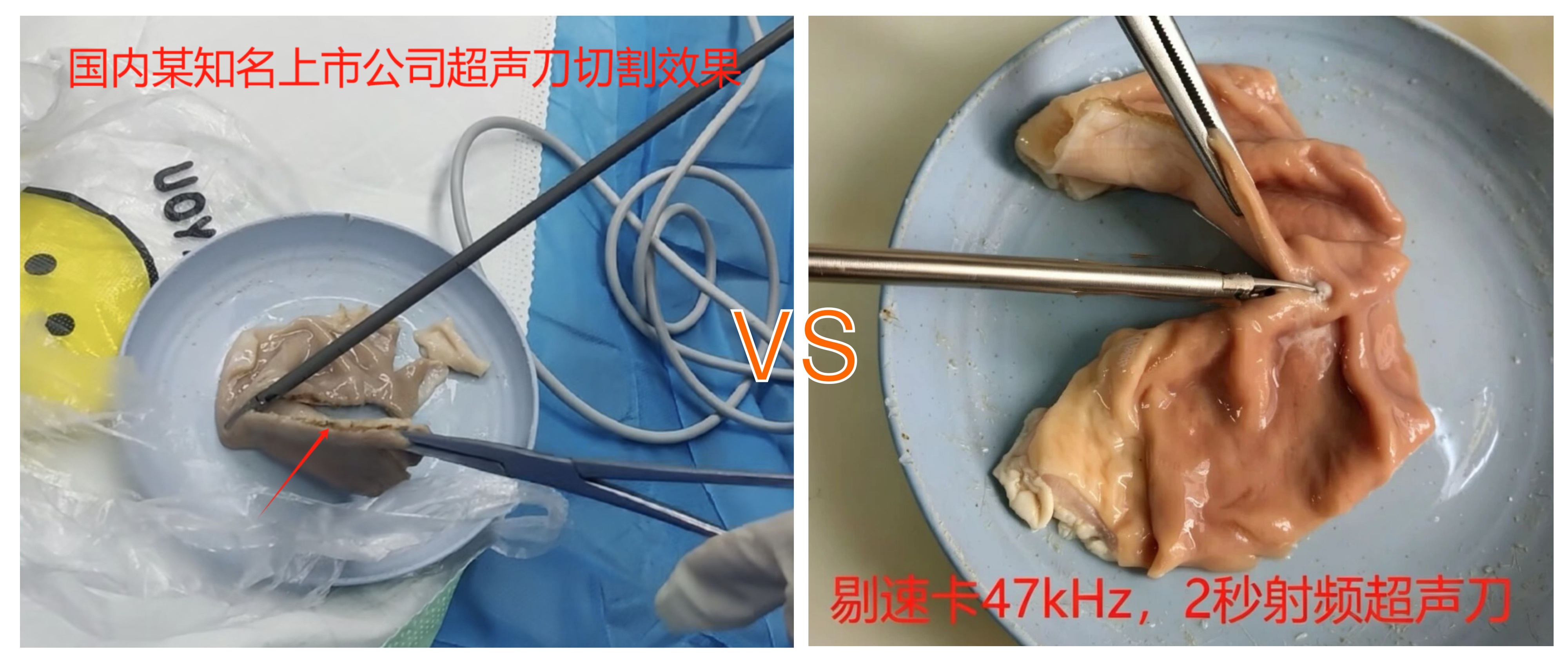
Why energy-device selection matters in MIS
Minimally invasive surgery depends on instruments that cut efficiently while limiting thermal spread, smoke, and collateral injury. Electrocautery remains ubiquitous, vessel-sealing devices address larger-vessel hemostasis, and ultrasonic systems integrate cutting with coagulation at lower peak temperatures. The newest RF-ultrasonic dual-energy category adds volumetric low-temperature coagulation to mechanical cutting — a meaningful shift for vessel-rich fields.
Side-by-side comparison (typical industry ranges)
| Dimension | Electrocautery | Vessel-sealing RF (LigaSure-class) | Conventional ultrasonic | RF-ultrasonic dual-energy |
|---|---|---|---|---|
| Working temperature | Often 200–300°C | Typically ≤100°C | ~50–100°C (contact zone) | RF mode often 40–70°C; ultrasonic component per IFU |
| Lateral thermal spread | Wider (often cited 4–6 mm) | Moderate (often 2–3 mm) | Narrow at blade (often 1–2 mm cited) | Designed for controlled spread; verify locally |
| Primary energy | Electric current through tissue | Bipolar RF + pressure | Mechanical ultrasonic vibration | Ultrasonic + RF synergy |
| Typical workflow | Cut / coagulate with high char risk | Seal vessels; often needs separate dissector | Cut + coagulate in one pass | Cut + seal larger vessels in one instrument |
| Best-fit scenarios | Open field, rapid hemostasis | Vessel bundles, laparoscopic sealing | Delicate laparoscopic dissection | Vessel-rich MIS, 5–7 mm sealing needs |
Values reflect commonly published industry ranges for educational comparison. Always confirm against the IFU for your market and generator pairing.
Where RF-ultrasonic dual-energy fits
BBT Medical’s dual-energy RF-ultrasonic portfolio combines mechanical cutting with RF-assisted coagulation. Public materials cite operating frequencies around 47–55.5 kHz for the ultrasonic path and RF auxiliary energy for enhanced vessel management. China’s first 7 mm RF-ultrasonic Class III registration positioned this category for complex laparoscopic cases where conventional ultrasonic devices may require multiple passes or adjunct clips for larger branches.
Flagship platform: Unicare RF-Ultrasonic Scalpel — simultaneous cutting and coagulation for general, thyroid, breast, and laparoscopic workflows. Also see TisuCare (reusable handpiece strategy) and Twocan Dual-Energy (thyroid-focused RF platform).
Selection checklist for procurement teams
- Vessel diameter profile — Match sealing capability to your case mix (3 / 5 / 7 mm tiers).
- Thermal sensitivity — Thyroid, parathyroid, and nerve-adjacent fields favor lower spread devices.
- Generator compatibility — Confirm host interfaces (Valleylab, Erbe, or dedicated BBT generators).
- Consumable vs reusable economics — Model per-case cost, not sticker price alone.
- Registration & service — Verify CE/FDA/NMPA status for your country and local distributor support.
Related reading on BBT Medical Global
- More Than Higher Power: RF vs Conventional Ultrasonic Scalpels
- How Domestic Platforms Approached the 7 mm Ultrasonic Frontier
- PickSuck vs Typical VAB Systems (breast interventional)
Compliance reminder
Device availability, indications, and performance claims vary by registration region. This article supports professional evaluation only. For specifications, quotations, and IFU packs, request a quote for Unicare or contact info@bbt-medical.com.