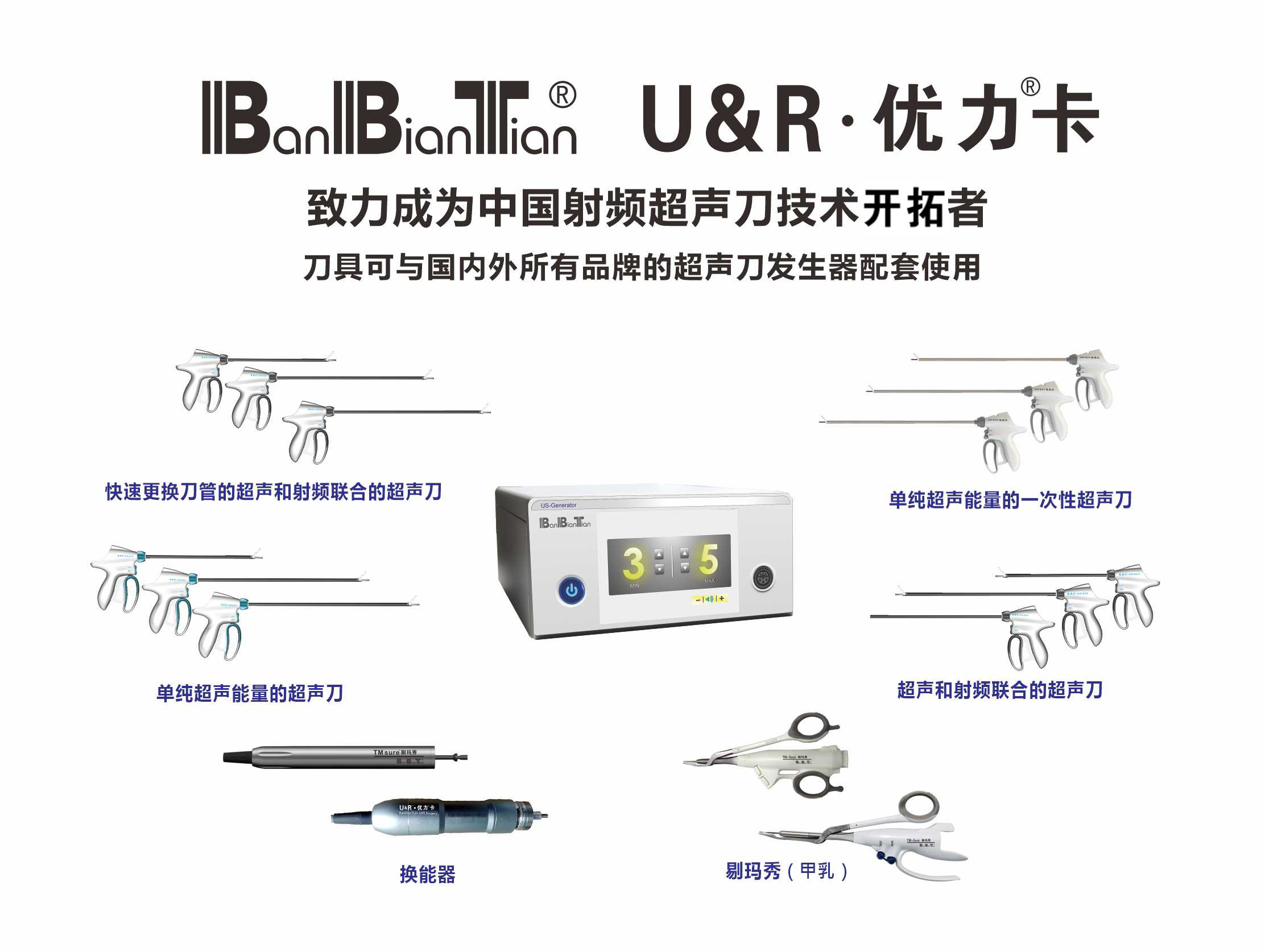
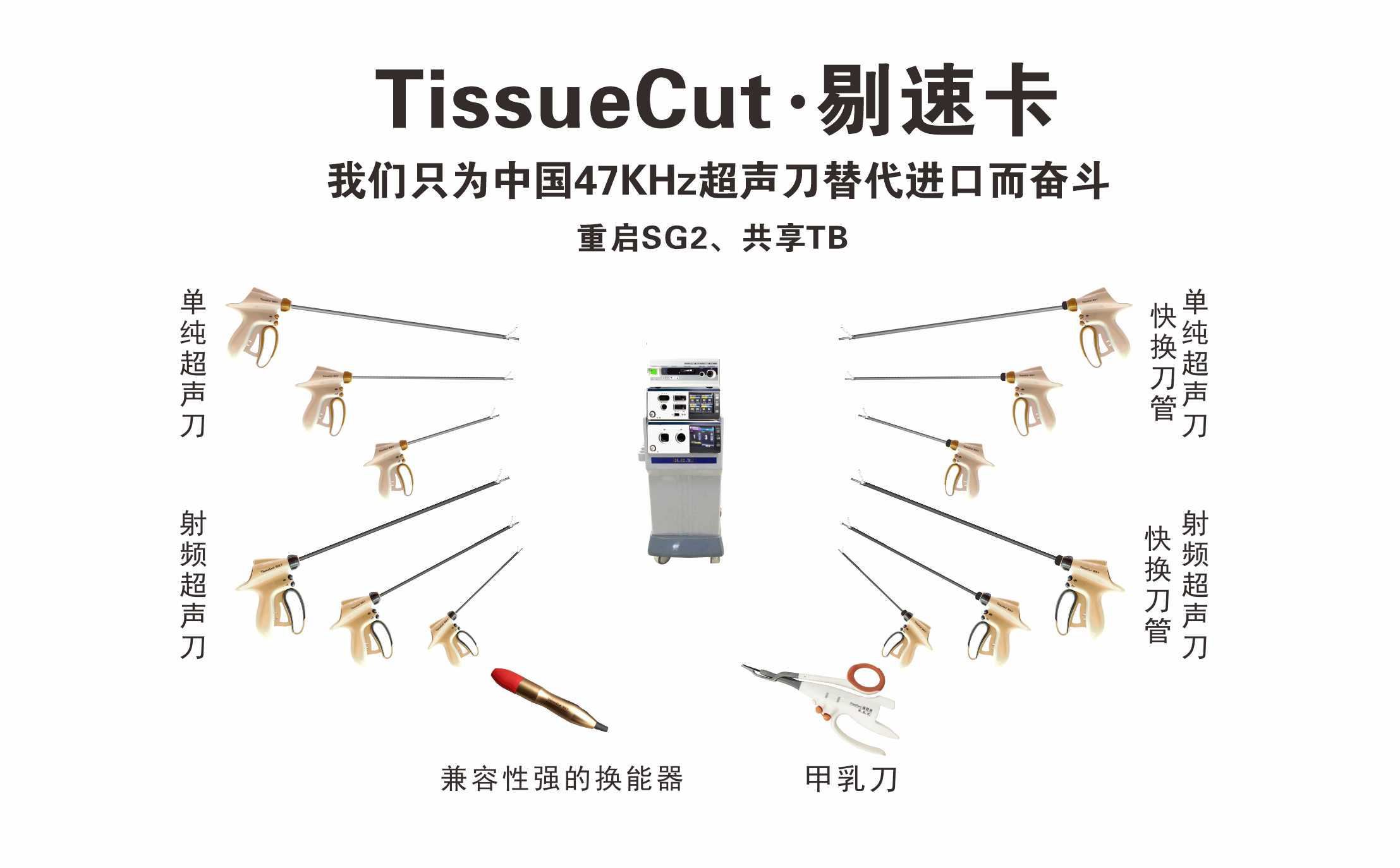
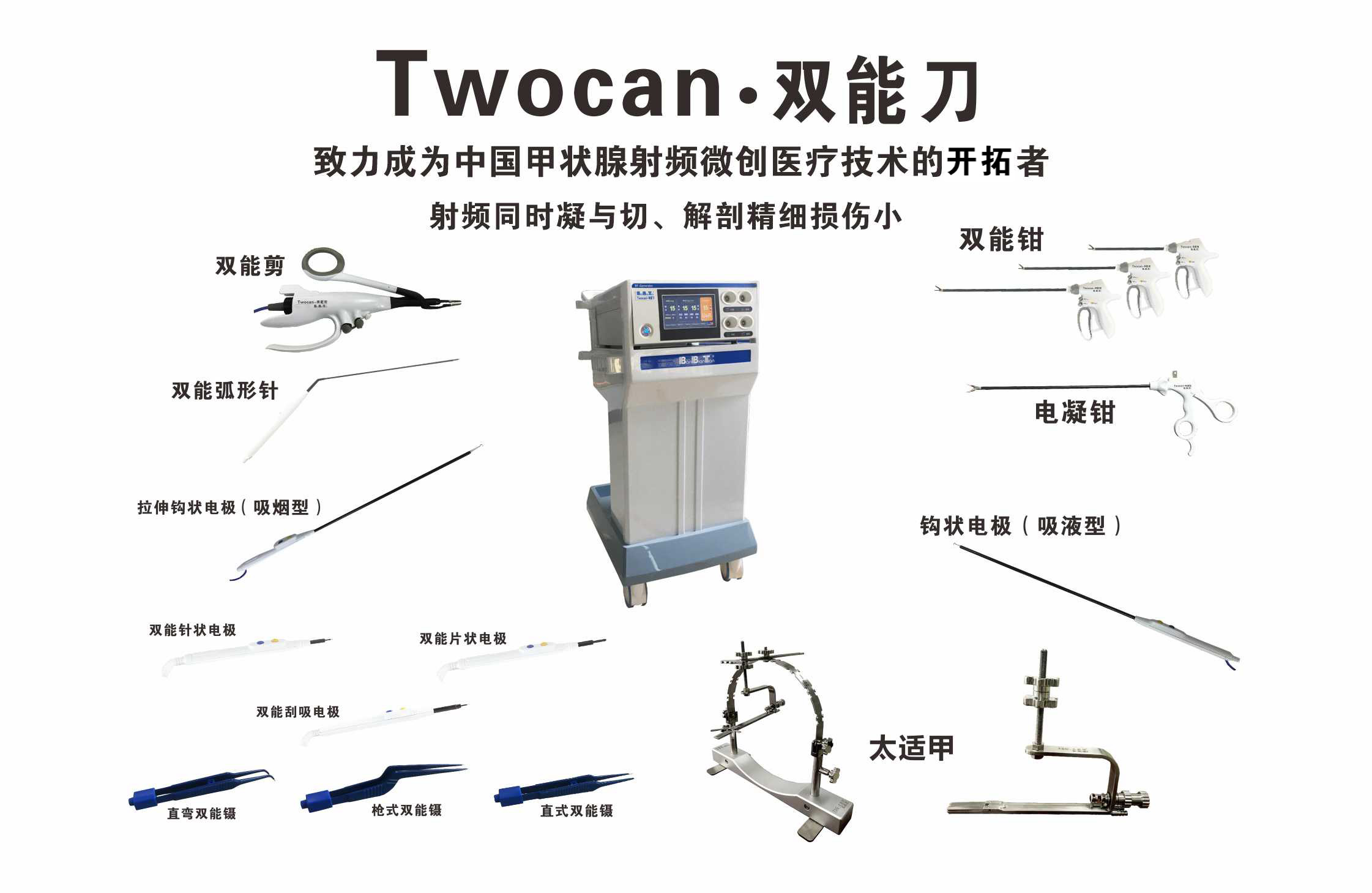
Scope: For OR managers, CSSD leads, and distributors evaluating ultrasonic and RF-ultrasonic energy lines. This guide contrasts reusable handpiece + replaceable components strategies with fully disposable instrument models — without naming third-party OEMs. Product examples from the BBT Medical portfolio: TisuCare (reusable handpiece positioning) and Unicare / Twocan (disposable-forward platforms).

Why the handpiece model matters
Surgical energy purchasing is rarely a single sticker-price decision. A reusable handpiece amortizes capital cost across hundreds of cases but shifts burden to sterile processing, traceability, and compliance with validated reprocessing instructions. Fully disposable lines simplify workflow and reduce cross-contamination anxiety at the cost of higher per-case consumables — often justified when case volume is moderate or CSSD capacity is constrained.
Side-by-side comparison
| Dimension | Reusable handpiece model | Fully disposable model |
|---|---|---|
| Upfront cost | Higher (handpiece + generator pairing) | Lower capital; consumables dominate |
| Per-case consumables | Tips/tubes only; lower variable cost at volume | Full instrument per case |
| CSSD / reprocessing | Required; IFU cycles, inspection, logs | Minimal — dispose after use |
| Throughput risk | Turnaround time if inventory tight | Stock-dependent; no reprocessing queue |
| Best-fit programs | High-volume laparoscopic centers with mature CSSD | Mixed ORs, new MIS lines, distributor demo fleets |
TisuCare positioning in the reusable category
Public materials for TisuCare emphasize a five-function workflow (grasp, cut, coagulate, dissect, clean), ergonomic grip geometry, and a reusable handpiece paired with replaceable inner/outer tube structures where applicable. Hospitals that already run validated ultrasonic reprocessing SOPs can model predictable variable cost once annual case volume exceeds the break-even threshold against premium disposable alternatives.
When disposable-forward platforms win
Dual-energy RF-ultrasonic systems such as Unicare target vessel-rich MIS with integrated sealing (including 7 mm-class claims in China registration materials). If your priority is sealing performance, generator simplicity, or avoiding handpiece maintenance entirely, disposable-forward economics may dominate even at moderate volume — especially when RF auxiliary energy is required for your case mix.
Procurement checklist
- Model 3-year total cost including CSSD labor, not consumable list price alone.
- Confirm reprocessing IFU matches your sterilizer fleet (steam vs low-temperature).
- Align with sealing tier needs — reusable lines still require correct tip/tube inventory.
- Verify registration and local distributor spare-part lead times.
Related guides
Compliance reminder
Reprocessing steps, indications, and performance claims vary by region. This article supports professional evaluation only. Request a TisuCare quote or contact info@bbt-medical.com for IFU packs.