I. Core demands in gynecologic laparoscopic surgery: fast, precise, and stable
High-quality laparoscopic gynecologic surgery depends not only on surgeon skill, but also on energy devices that cut quickly, seal reliably, preserve a clear field, and minimize tissue injury. These capabilities directly affect operative time, complication risk, and recovery.
In daily practice, many energy platforms still struggle with:
- Thick myoma tissue slowing dissection and prolonging surgery
- Repeated hemostasis attempts that interrupt workflow and increase bleeding risk
- Oozing that obscures fine anatomy and reduces operative confidence
- Excessive thermal spread that raises the risk of injury to surrounding structures
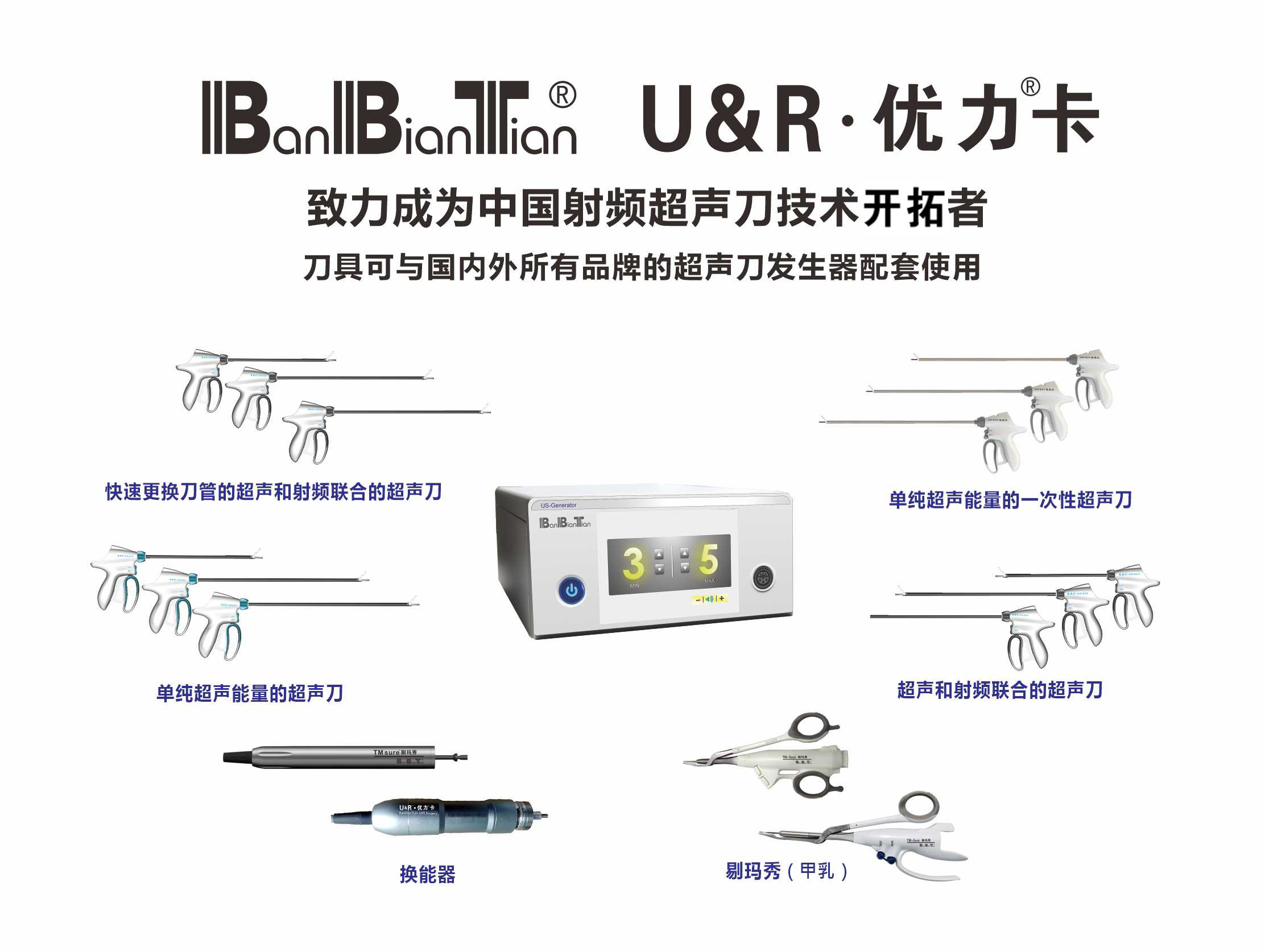
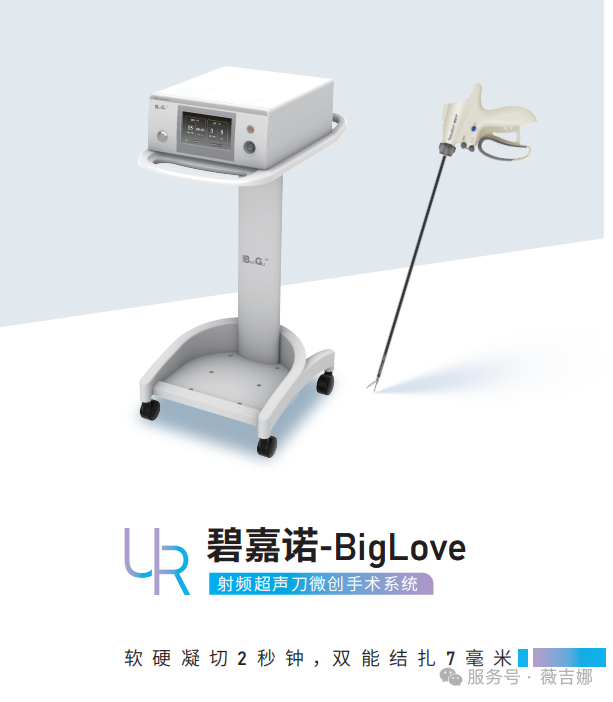
BiJiaNuo gynecologic RF ultrasonic scalpel was developed as a dedicated solution to address these linked clinical pain points.
II. Technology: deep synergy of ultrasound and RF, not simple stacking
Conventional ultrasonic scalpels rely on high-frequency mechanical vibration for efficient cutting but offer limited hemostasis. Conventional RF devices coagulate well but cut more slowly and often create wider thermal zones.
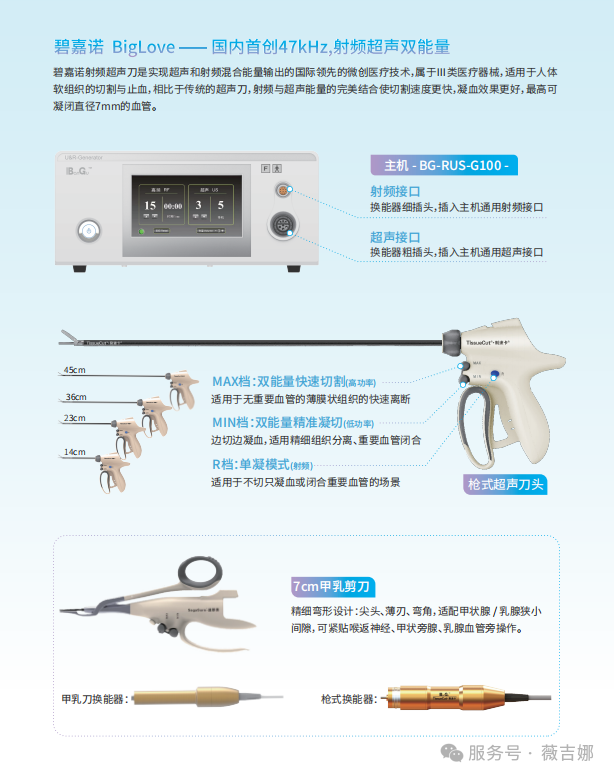
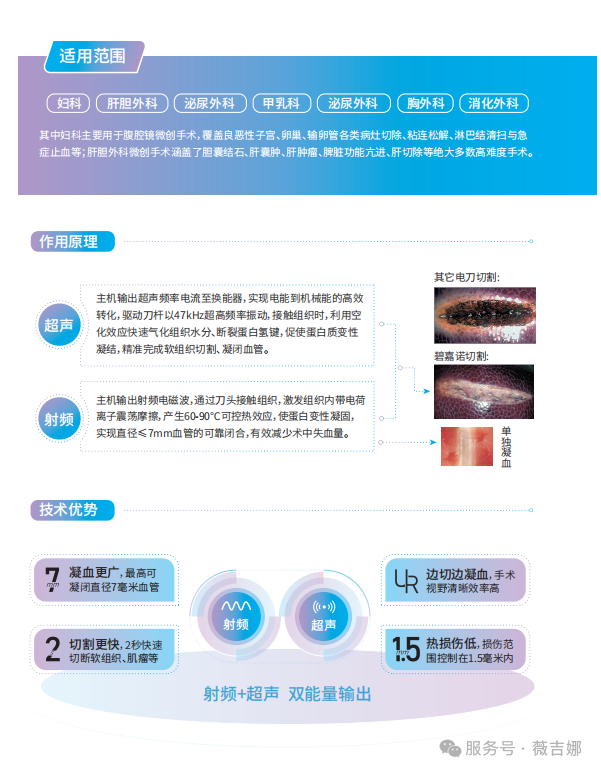
BiJiaNuo integrates both energies on one platform: 47 kHz ultrasonic frequency for efficient cutting, plus RF energy for simultaneous coagulation. Through precise energy control, cutting and sealing work in real time—hemostasis while you cut, without sacrificing speed. This resolves the long-standing trade-off between speed and control.
III. Four core advantages for gynecologic surgery
(1) Rapid soft-tissue coagulation and cutting — Soft-tissue coagulation and division can be completed in about 2 seconds, with clean, efficient tissue separation across myoma, ovarian ligament, fallopian tube, and adnexal tissues.
(2) Reliable sealing of vessels up to 7 mm — Most laparoscopic gynecologic vessels are under 5 mm; BiJiaNuo supports dependable closure of vessels up to 7 mm, reducing repeated hemostasis and letting surgeons focus on dissection strategy.
(3) Thermal injury limited to about 1.5 mm — Narrower thermal spread than many legacy energy tools helps protect ureters, bowel, ovary, and neurovascular structures during myomectomy and adhesiolysis.
(4) Cut-and-seal with a clearer field — Synchronized coagulation reduces oozing and smoke, limiting lens wiping and instrument changes—especially valuable in long or complex cases.
IV. Applicable gynecologic laparoscopic procedures
- Myomectomy
- Total and subtotal hysterectomy
- Tubal surgery (including patency testing, resection, and anastomosis)
- Ovarian cystectomy and adnexectomy
- Pelvic adhesiolysis
- Lymph node dissection for gynecologic malignancies
- Emergency hemostasis in gynecologic bleeding
From routine benign disease to oncologic radical surgery, BiJiaNuo provides consistent energy support throughout the case.
V. Clinical value
Speed reflects efficiency; hemostasis reflects safety; low thermal spread reflects precision; dual-energy fusion reflects the direction of minimally invasive energy platforms. BiJiaNuo unifies cutting, coagulation, and tissue protection in one gynecology-focused tool.
As laparoscopic gynecologic surgery becomes mainstream, outcomes depend on both technique and device capability. With 47 kHz ultrasound and RF dual-energy synergy, BiJiaNuo helps surgeons operate with greater efficiency, safety, and control.
BiJiaNuo Gynecologic RF Ultrasonic Scalpel — dual-energy synergy, built for gynecologic minimally invasive surgery.
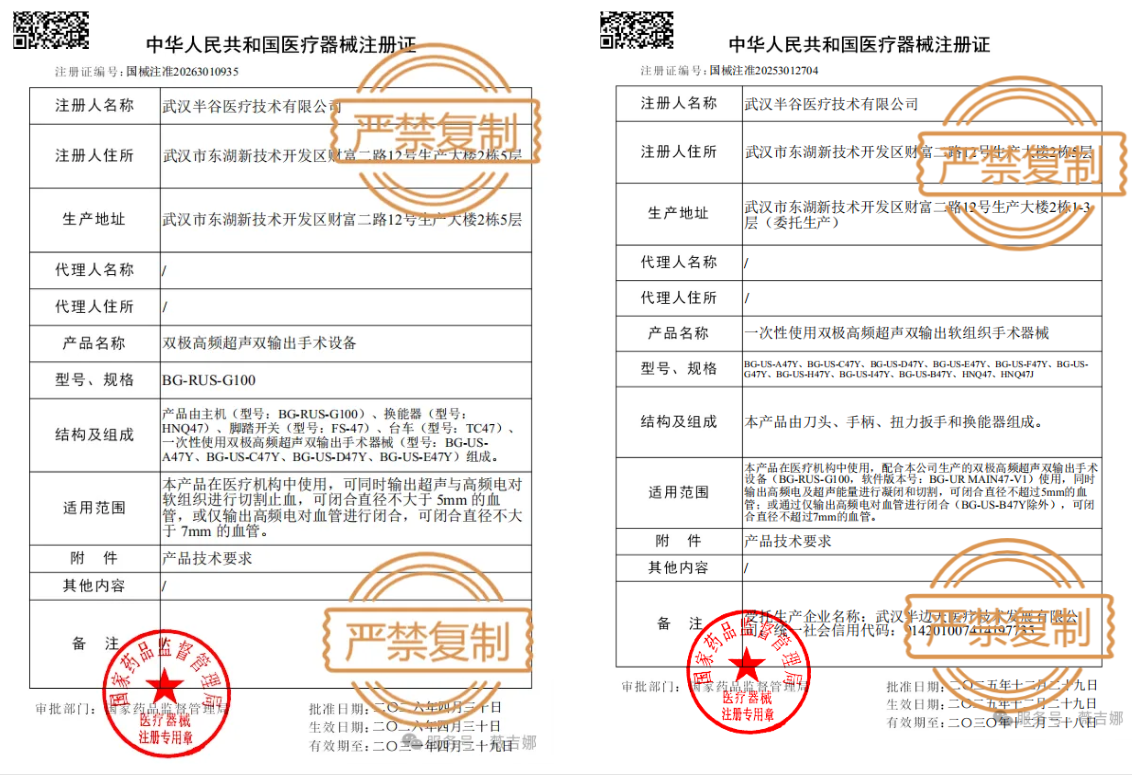
NMPA registration: generator + instruments (国械注准).