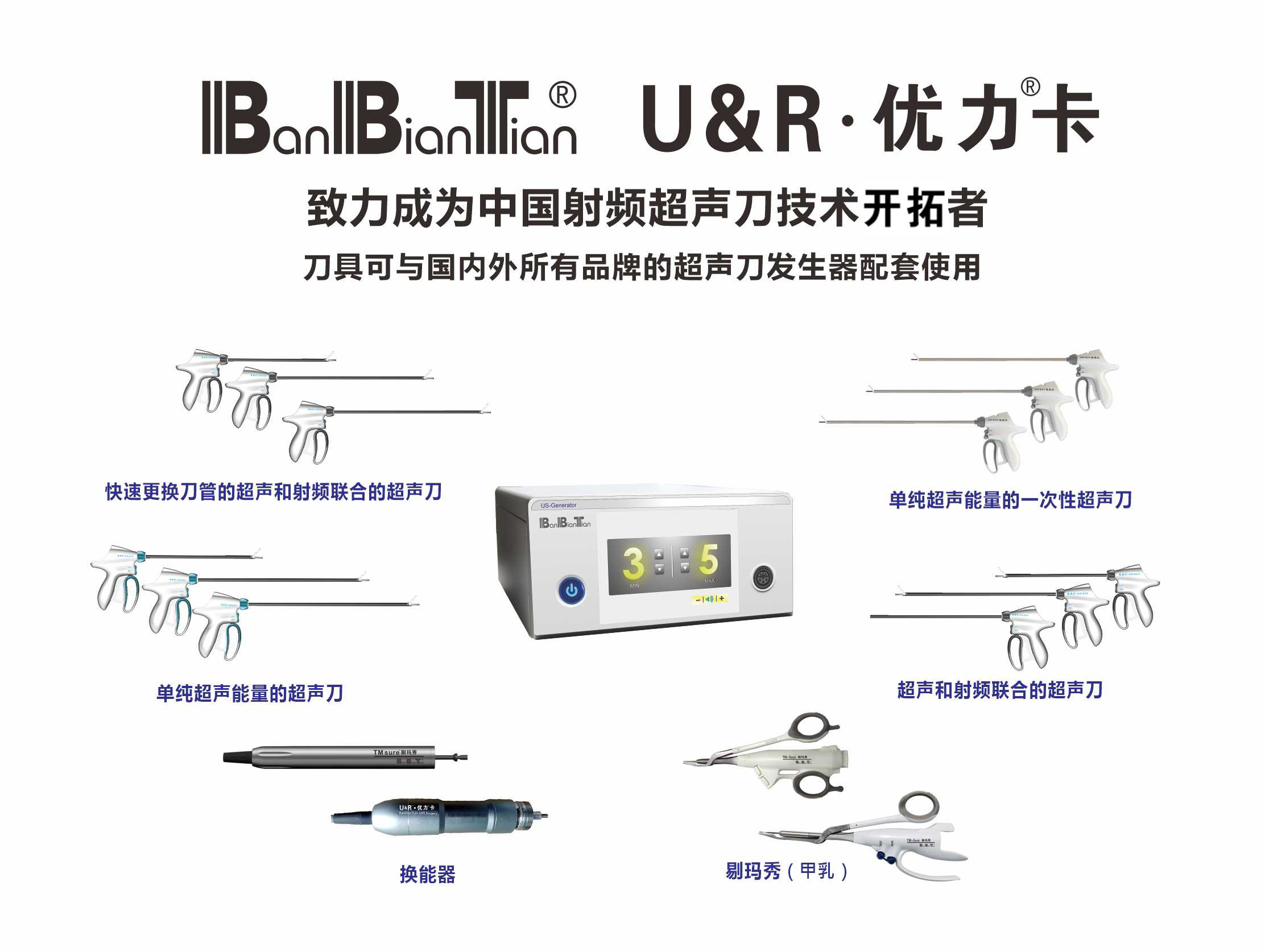
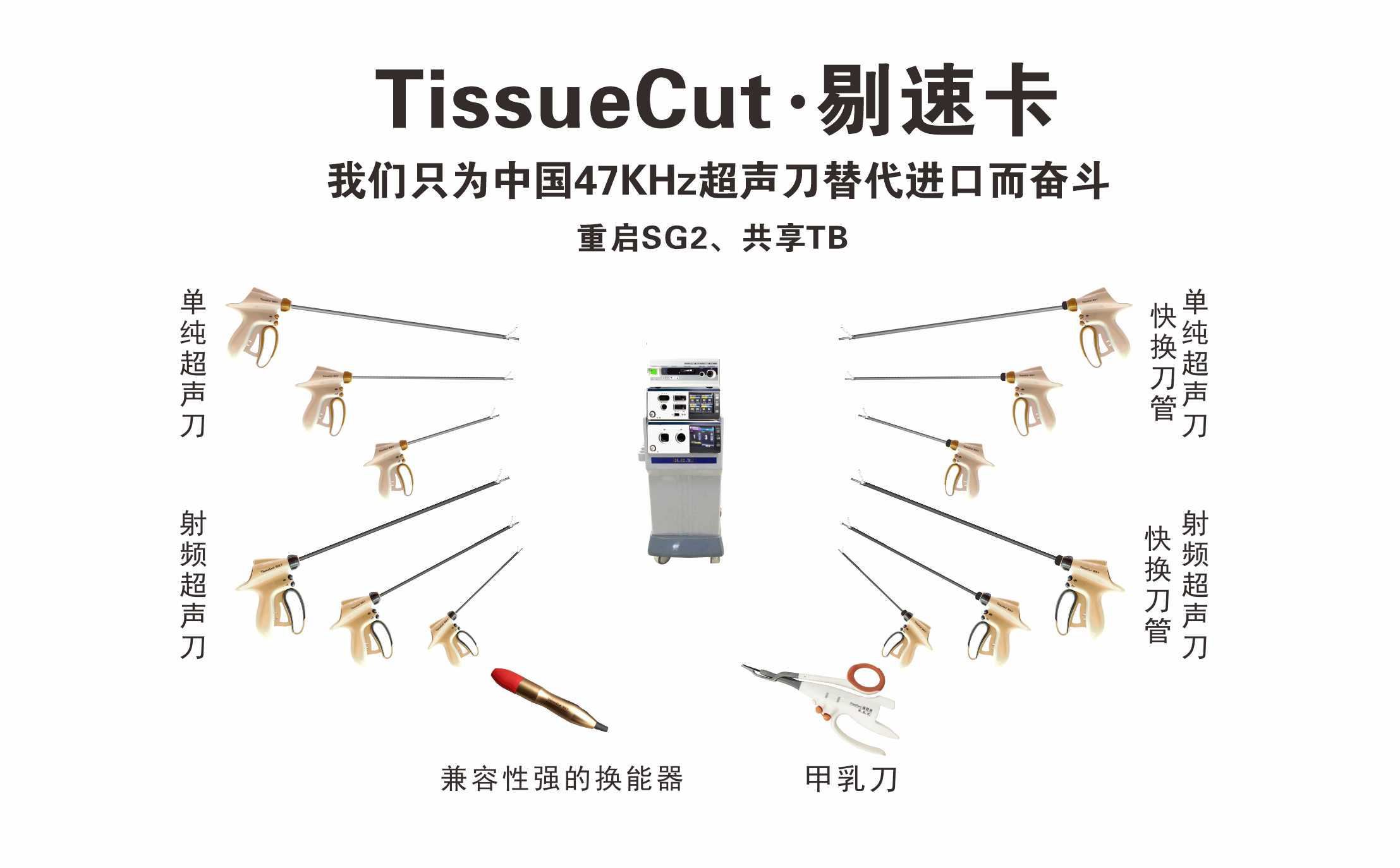
Although both names contain “ultrasonic,” conventional and RF ultrasonic scalpels differ fundamentally in energy source, conversion pathway, and tissue interaction. Treating RF ultrasonic devices as “stronger ultrasonic knives” is a clinically risky misconception.
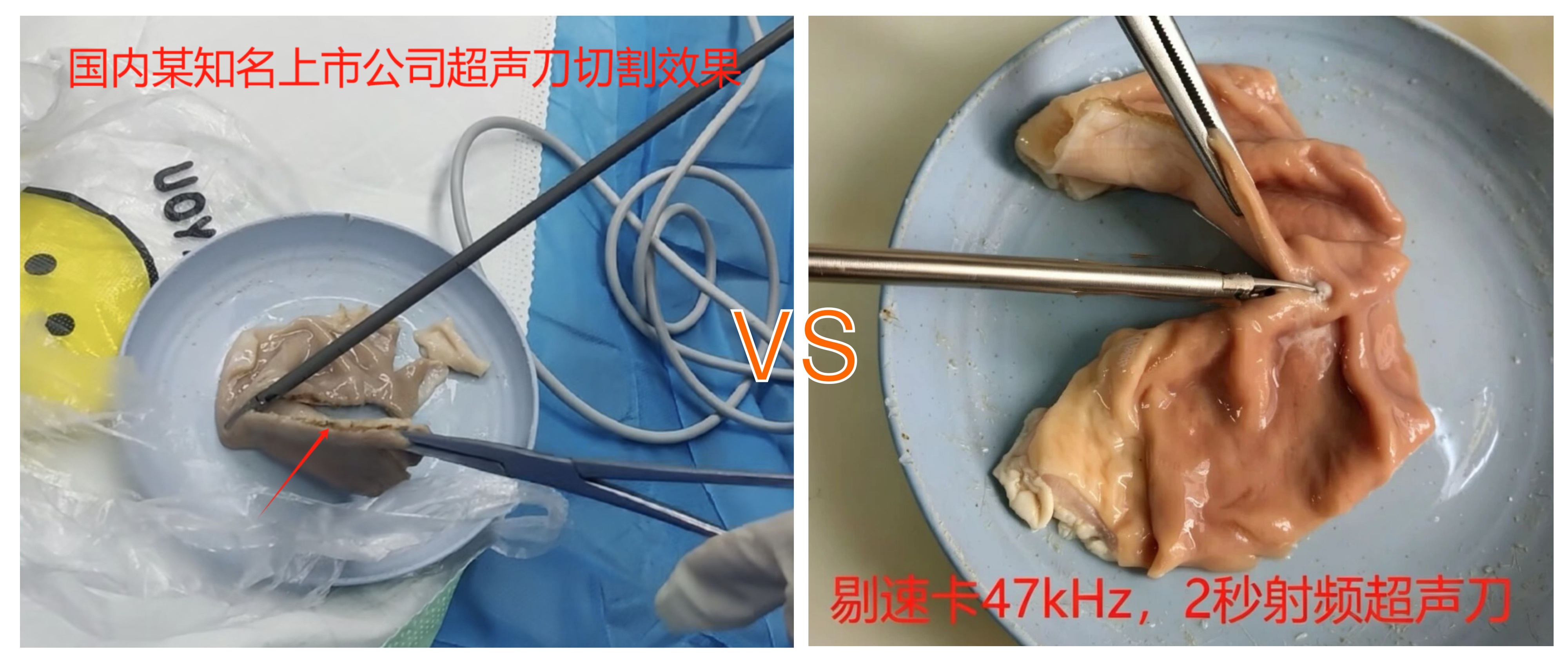
Why eschar size and injury differ after surgery
Higher frequency/power increases vibration amplitude and thermal spread; dual-energy RF-ultrasonic systems enable tighter temperature control and smaller eschar. Insulated tip coatings further limit lateral conduction versus bare metal jaws.
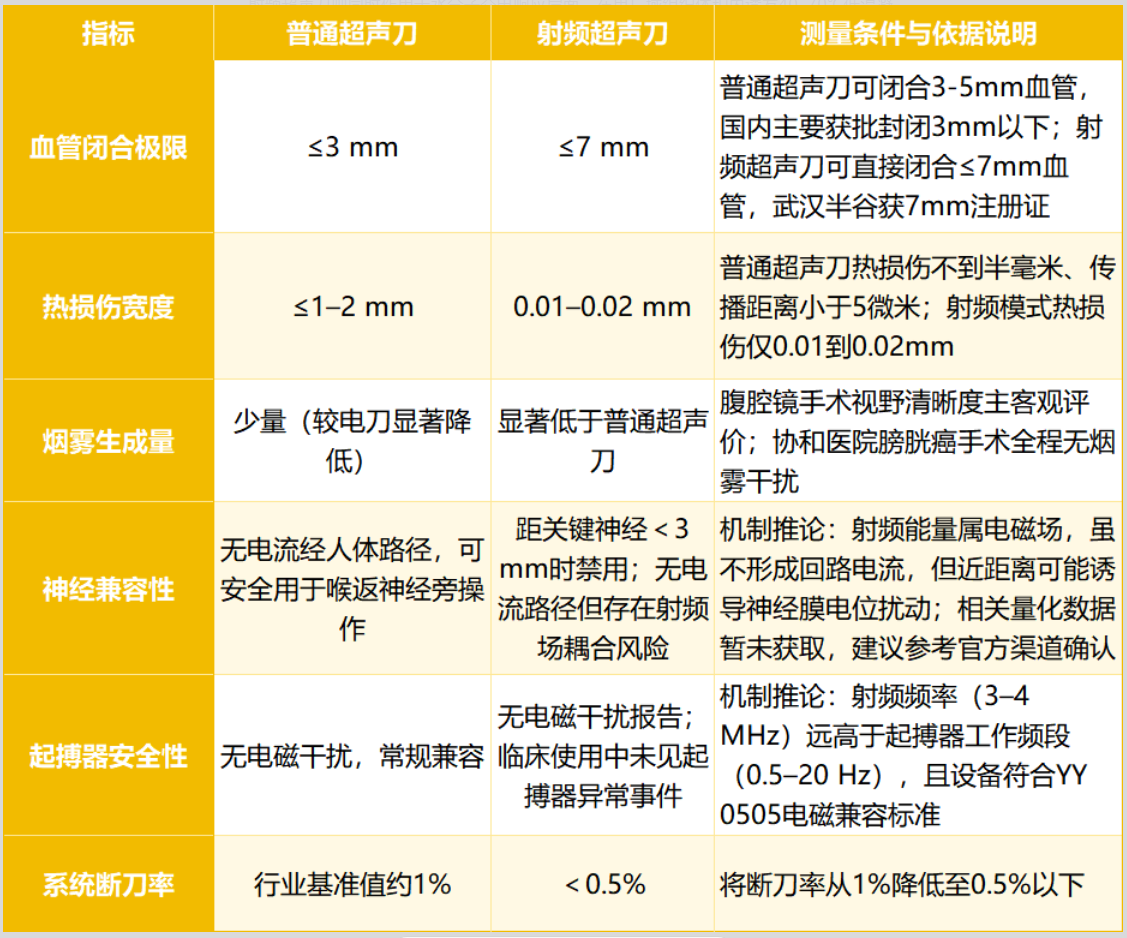
Three fundamental physical differences
Conventional devices use 50–100 kHz mechanical vibration; RF-ultrasonic systems add 3–4 MHz electromagnetic energy—a separate physical field, not a linear power scale.
Energy pathways differ: electromechanical vibration versus combined dielectric heating and mechanical cutting. Tissue effects extend from surface protein denaturation to volumetric low-temperature coagulation at 40–70°C with thermal spread around 0.01–0.02 mm.
Clinical selection in hepatobiliary and gynecologic laparoscopy
In complex LPD and gynecologic staging, conventional ultrasonic tools suit fine parenchymal division where minimal spread is critical; RF-ultrasonic platforms excel at bulk vessel-rich dissection with ≤7 mm sealing—shortening operative time in vessel-dense fields while requiring mode awareness near major veins.
BBT RF ultrasonic portfolio
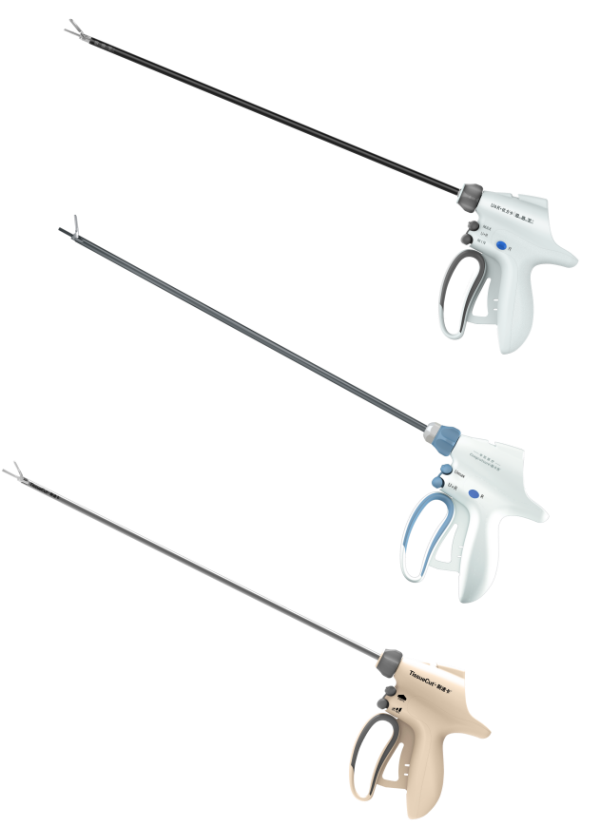
BBT obtained China’s first 7 mm RF-ultrasonic Class III registration in 2023, with Youlika, Tisuka, and Likashow series supporting dual-energy synergy, rapid 2-second coagulation-cutting, 7 mm vessel closure, and multi-function efficiency. Products have won multiple provincial VBP alliances with 40–60% cost advantages versus imports.