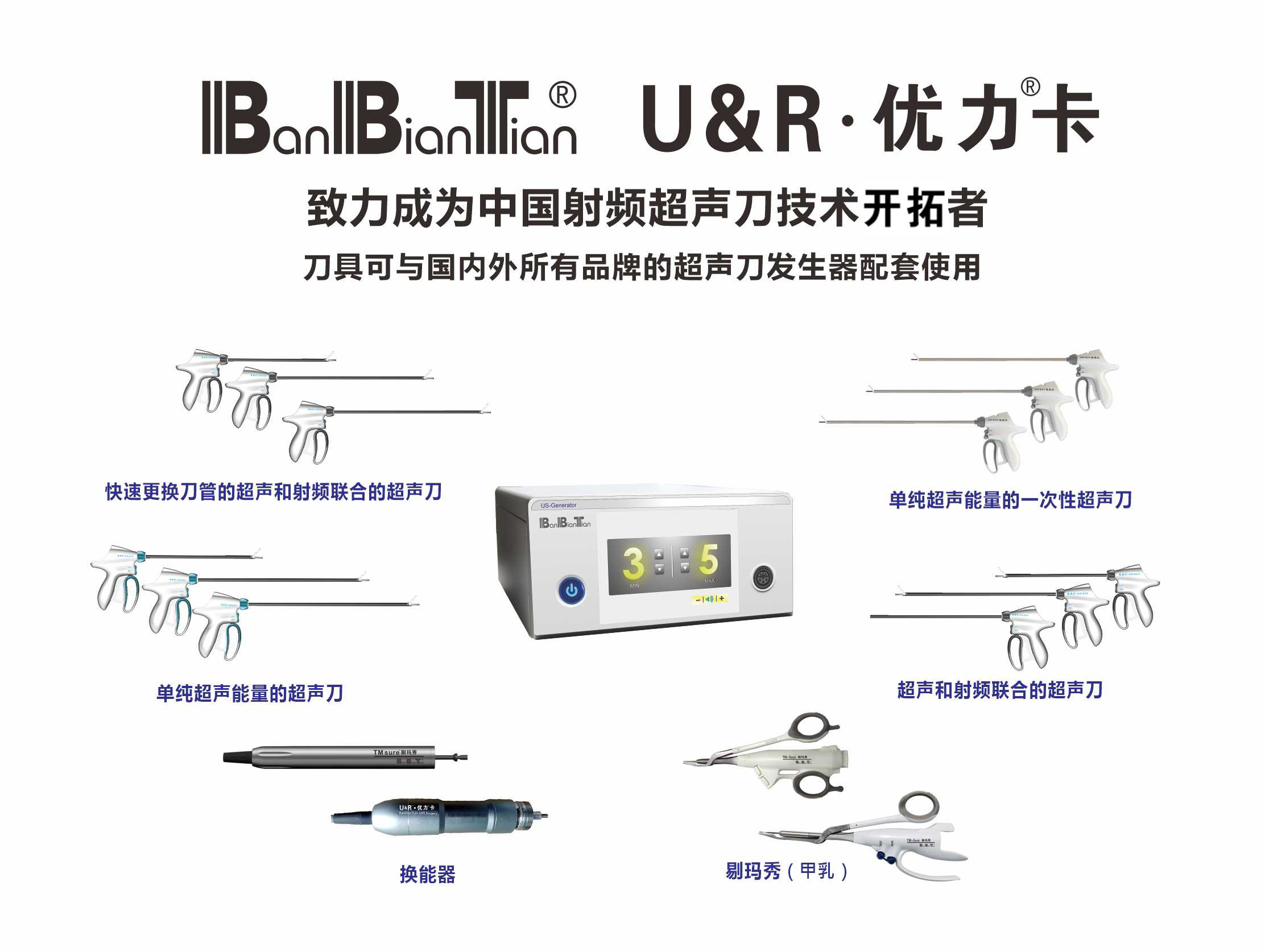
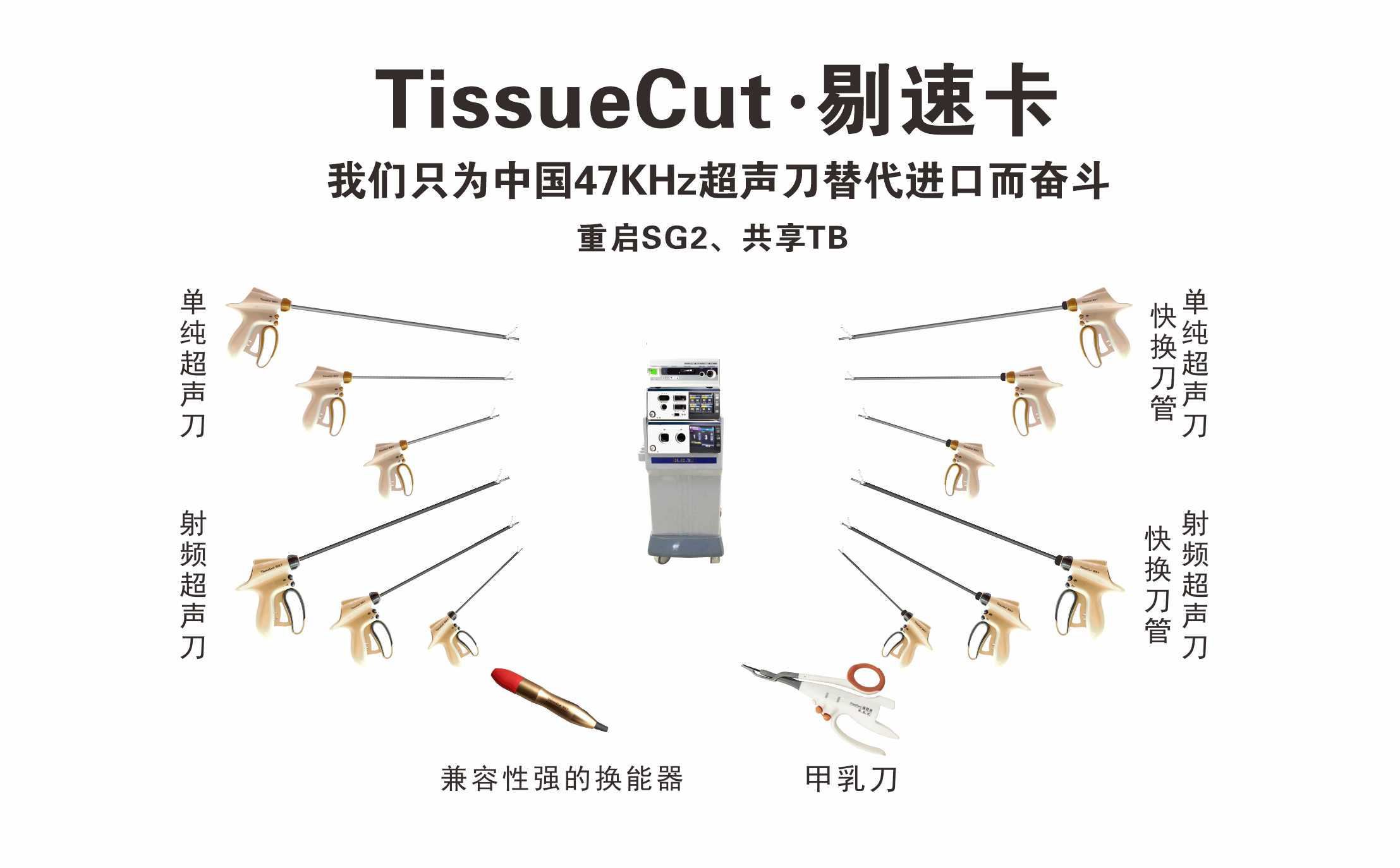
Ultrasonic scalpels are essential minimally invasive tools. Domestic substitution exceeds 90% at 3 mm and 5 mm, yet 7 mm—the upper clinical limit for ultrasonic sealing—has been import-dominated. That 2 mm gap reflects exponential increases in sealing difficulty as vessel diameter, pressure, and wall thickness grow.
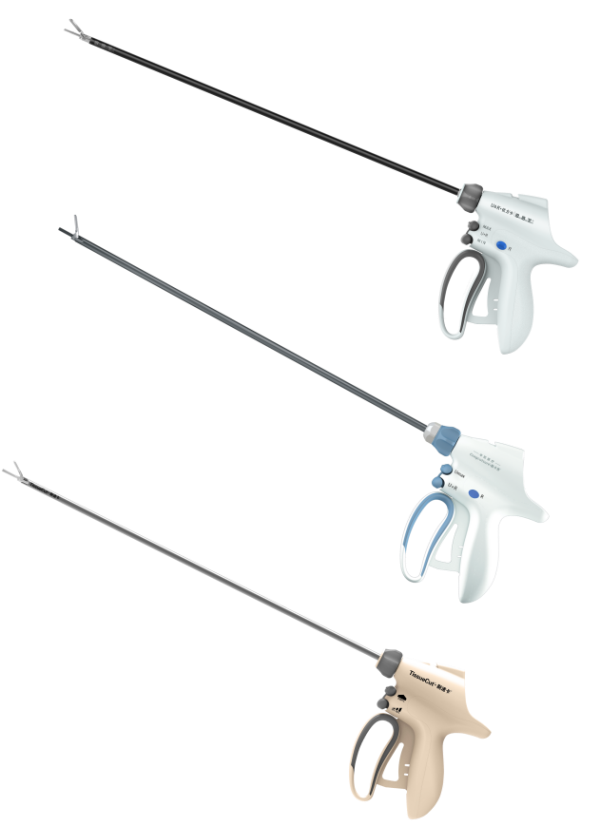
Ultrasonic vs electrosurgery
Before ultrasonic devices, electrosurgery carried risks of current spread, smoke, wide thermal injury, and muscle stimulation. Ultrasonic mechanical vibration coagulates and seals with roughly half the thermal spread of monopolar electrosurgery in comparable time windows.
Decades of monopoly—and domestic entry
After Johnson & Johnson’s 1992 commercial launch and 16 years of sole China presence, BBT obtained China’s first ultrasonic scalpel registration in 2013. By 2022, domestic share exceeded 90% at 3 mm and 5 mm.
RF-ultrasonic dual energy for 7 mm
BBT pioneered synchronized ultrasonic-RF output, enabling reliable 7 mm sealing with focused energy, less bleeding, and fewer instrument changes—ideal for vessel-rich complex laparoscopic cases.
As 7 mm domestic options mature, hospitals gain cost-effective alternatives for major vessel management—while the industry already looks beyond today’s physical limits toward next-generation energy platforms.