Recently, an animal experiment on radiofrequency ultrasound was successfully carried out at the Pinggu District Simulation Hospital in Beijing. This experiment was personally performed by Cui Yong, Director of the Thoracic Surgery Department of Beijing Friendship Hospital Affiliated to Capital Medical University, and aimed to deeply explore the application value and effect evaluation of radiofrequency ultrasonic scalpel in complex surgical operations.

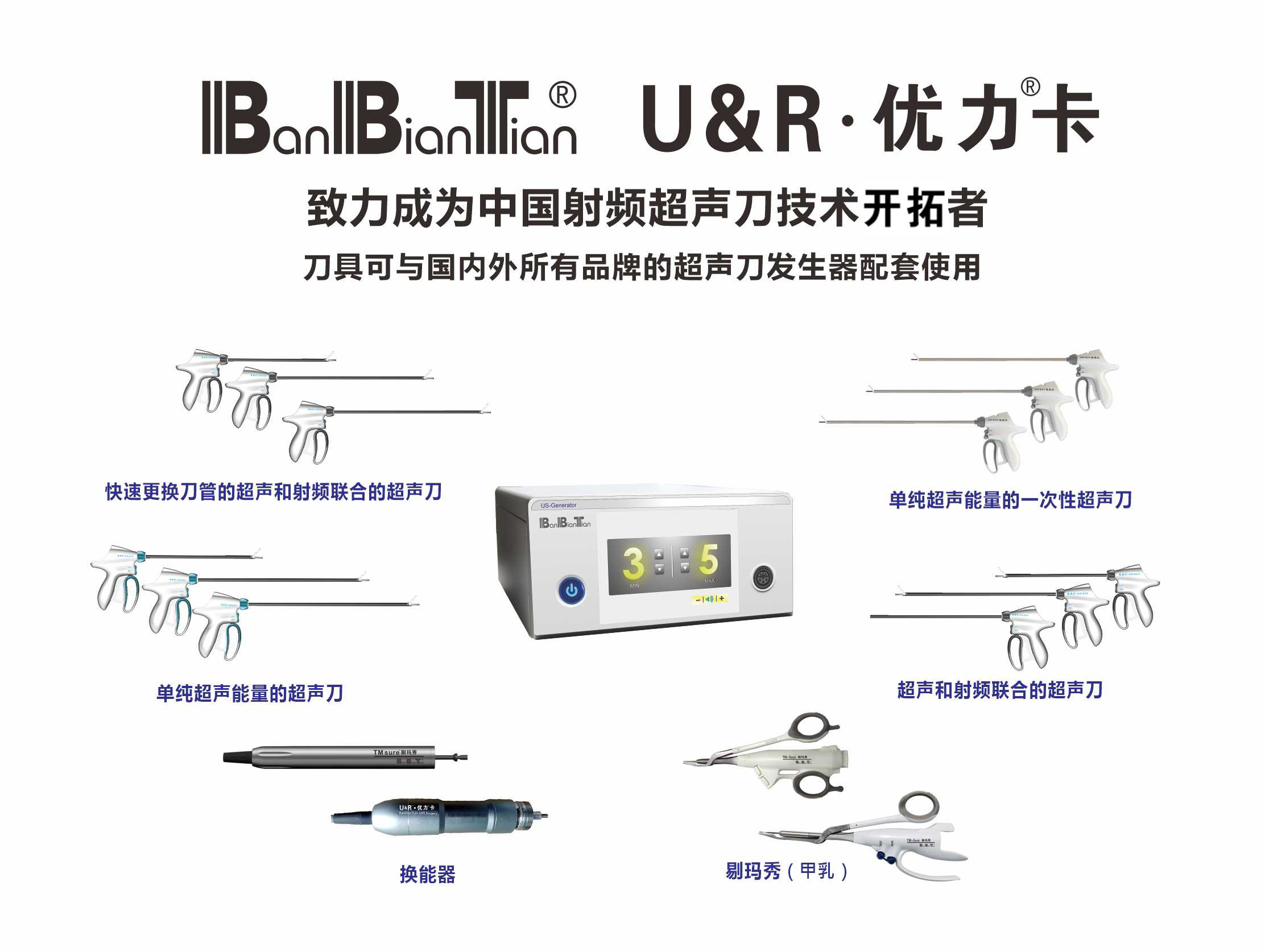
The animal experiment lasted 3 hours and covered many aspects including skin incision with radiofrequency ultrasound scalpel, tissue peeling with radiofrequency ultrasound hook knife, partial lung resection with radiofrequency ultrasound wide knife, partial lung resection with radiofrequency ultrasound 2.5 knife, and coagulation of pulmonary blood vessels.
With his rich clinical experience and superb skills, Director Cui Yong demonstrated the outstanding performance of radiofrequency ultrasonic scalpel in many key surgical steps. Several experimental data were successfully obtained, providing a valuable reference for the application of radiofrequency ultrasonic scalpel in complex surgical operations.
Experimental process record
Experiment time: 1:30-4:30 pm
Experiment location: Simulation Hospital, Pinggu District, Beijing
Chief surgeon: Director Cui Yong, Department of Thoracic Surgery, Beijing Friendship Hospital Affiliated to Capital Medical University
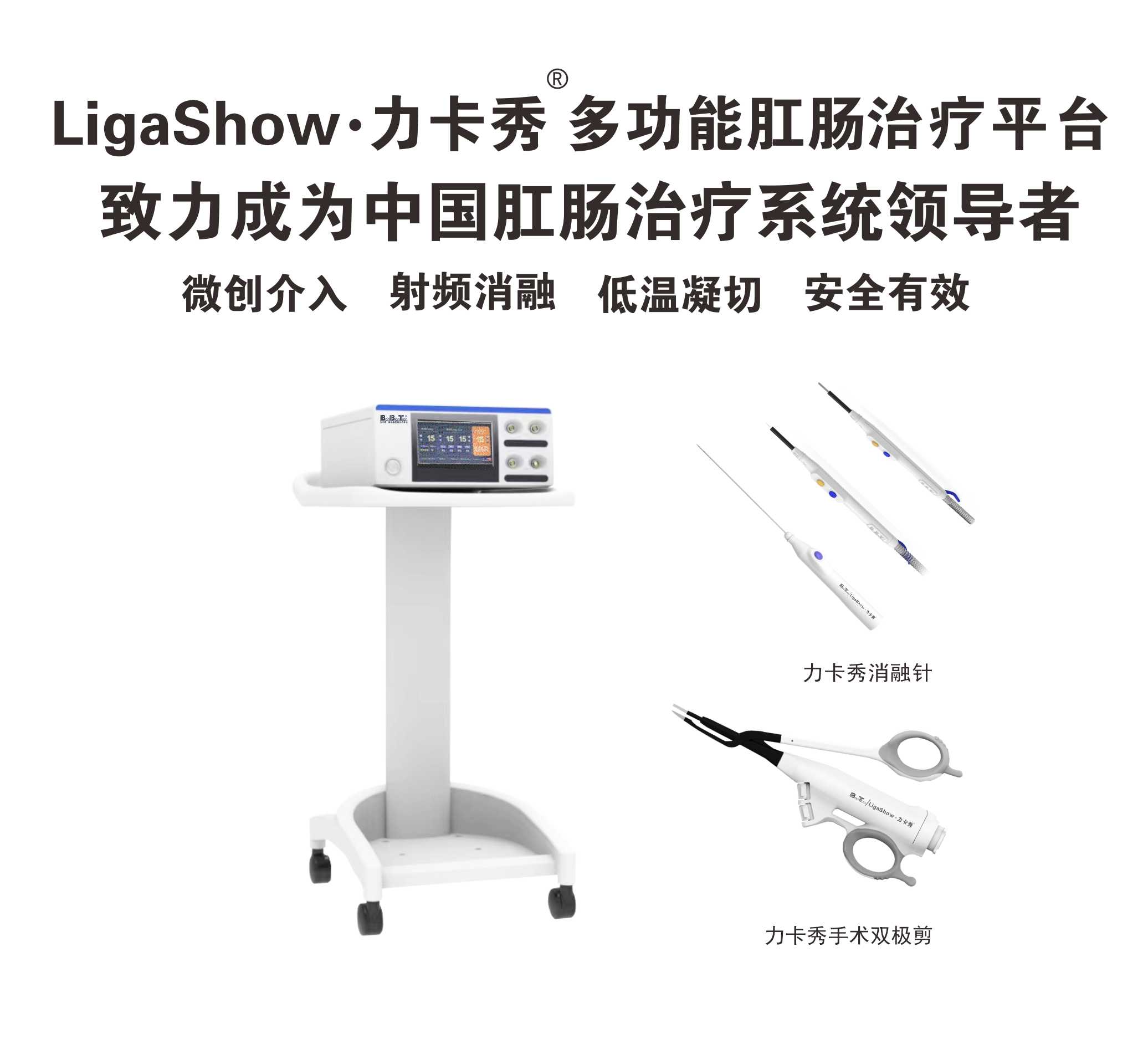
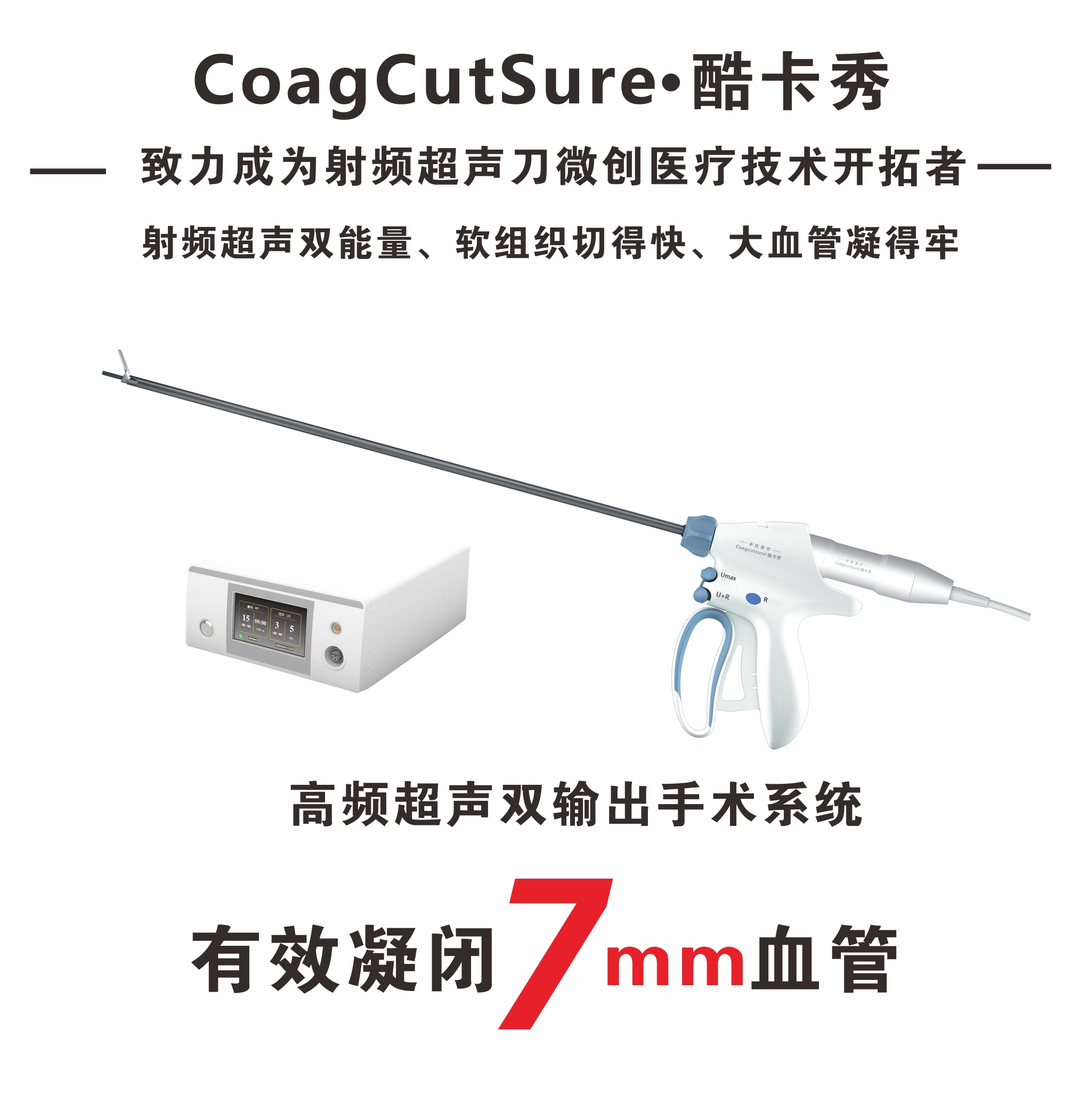
Experimental Tools: Wuhan Half Sky Radio Frequency Ultrasonic Tools

During the experiment, Director Cui used a scalpel blade to open the skin throughout the entire process without the aid of an electrosurgical knife. He believed that the coagulation effect was good and the entire process was almost smoke-free. He also suggested that there is room for further improvement in the speed of the operation.
During the thoracotomy, Director Cui successively used a 2.5 knife and a wide knife to cut off part of the lung tissue by first coagulating and then cutting, and there was no bleeding in either case. He believed that the coagulation effect of the wide knife was better and the efficiency was higher. He fully affirmed the significance of the product and put forward valuable suggestions for improvement.


For pulmonary blood vessel coagulation, Director Cui used 2.5 knives to treat blood vessels of about 3-5mm without any abnormality, which provided strong support for blood vessel processing in complex surgeries.
In terms of using the hook knife to peel off tissue, Director Cui put forward further optimization suggestions from a clinical perspective to provide more convenience for doctors to perform precise operations during surgery.

Experiment summary
Director Cui spoke highly of the outstanding performance of Wuhan Half Sky radio frequency ultrasonic cutting tools in terms of coagulation effect, surgical efficiency and safety. At the same time, he put forward valuable suggestions for improvement of related cutting tools from a clinical perspective. He hopes to try out the improved products and hopes that after optimization, the products can bring greater value to future clinical surgical operations.

Experimental evaluation and prospects
This animal experiment is not only a successful verification of Wuhan Hanbiantian’s radiofrequency ultrasonic scalpel technology, but also lays a solid foundation for its wide application in clinical operations in the future.
Through this animal experiment, we not only saw the huge potential of radiofrequency ultrasonic scalpel in thoracic surgery, but also felt the importance of medical technology innovation in improving patient treatment effects and reducing surgical risks, injecting new vitality into the future development of surgical operations!